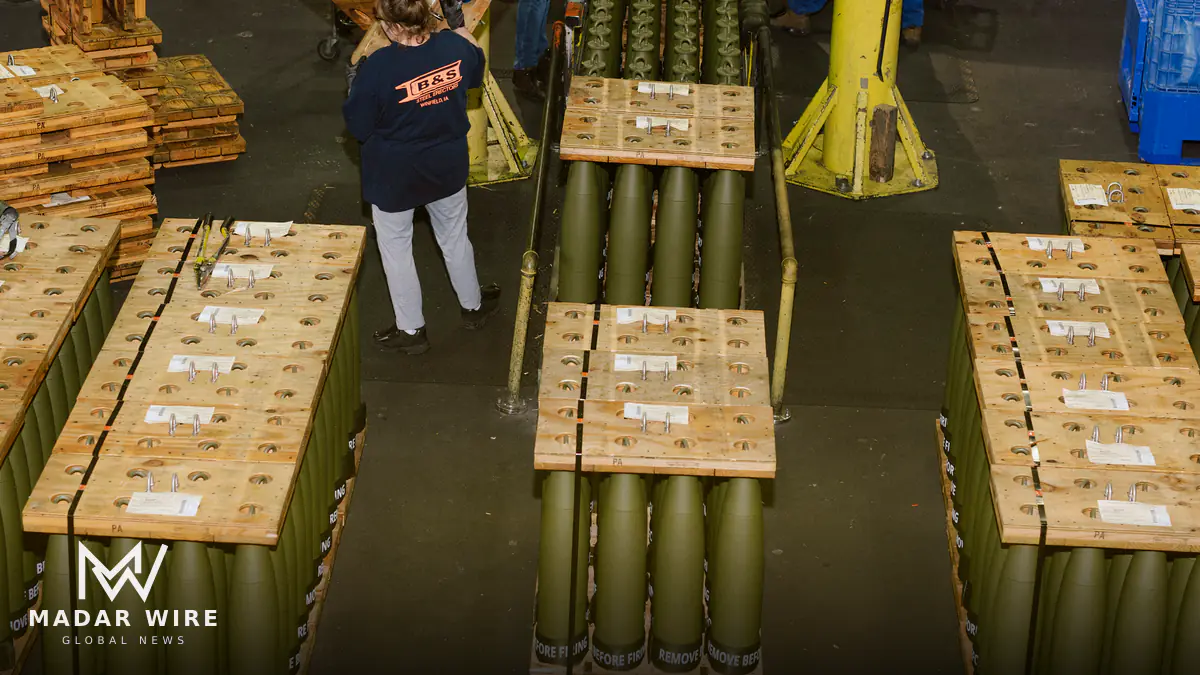
The U.S. Army has successfully carried out the controlled detonation of a substantial stockpile of lead azide at an Iowa military facility. The operation, which was captured on camera, marked the conclusion of a long-planned effort to safely dispose of the volatile chemical compound, according to reports from US Top News - Google.
Lead azide, a highly sensitive explosive often used as a primary detonator in munitions, required specialized handling to ensure the safety of surrounding communities. Military officials confirmed that the disposal process was conducted under strict protocols to mitigate risks associated with the chemical's instability.
Scientific Monitoring and Oversight
In a move to ensure transparency and environmental safety, NASA deployed aircraft to monitor the area during the detonation. The agency utilized high-altitude sensors to track potential plumes and atmospheric fallout, providing real-time data to military commanders overseeing the site.
The involvement of NASA highlighted the technical complexity of the operation. While some local residents expressed apprehension regarding the potential for environmental contamination, federal officials maintained that the disposal was necessary to prevent the hazards associated with storing aging, unstable explosives.
Addressing Public Safety Concerns
Responding to public speculation regarding the environmental impact of the blast, the lead agency chief addressed rumors circulating on social media. Officials explicitly rejected comparisons between the controlled detonation and the Chernobyl nuclear disaster, labeling such rhetoric as irresponsible and factually baseless.
The Army emphasized that the site was chosen specifically for its ability to contain the blast radius and minimize exposure to the public. With the detonation now complete, the focus shifts to post-operation environmental assessments to confirm that no hazardous residue remains in the immediate vicinity. The facility is expected to return to standard operations following a final safety inspection by federal authorities.