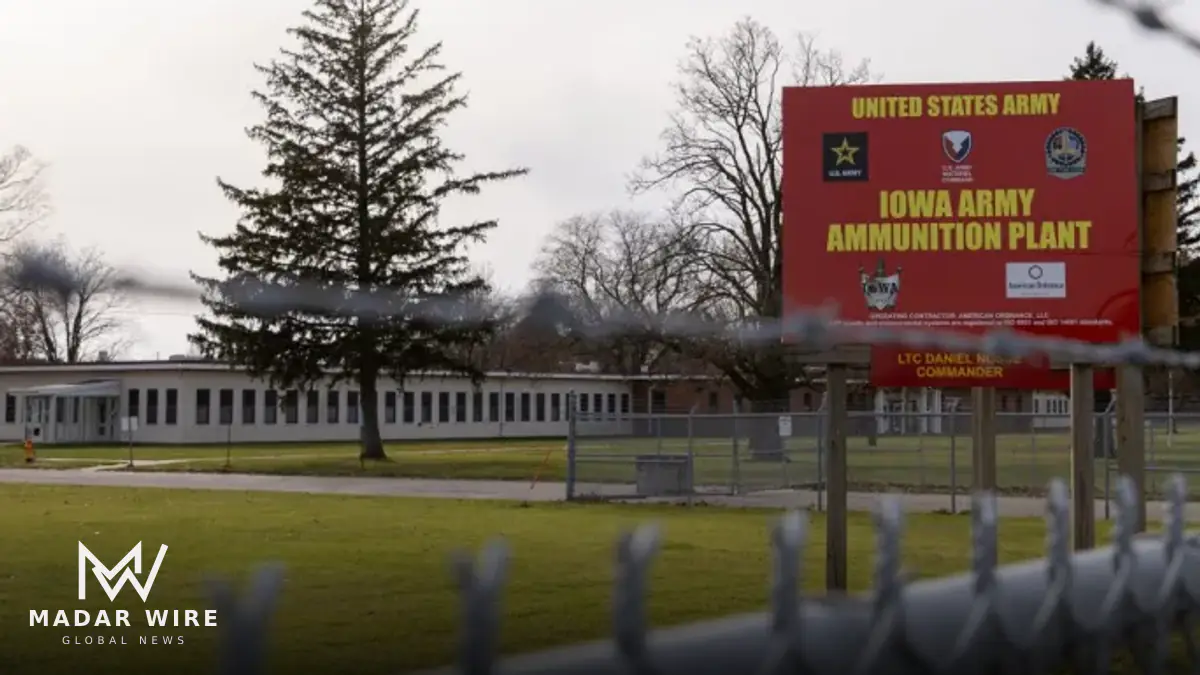
The U.S. Army is proceeding with the controlled detonation of a degraded stockpile of lead-based munitions at the Iowa Army Ammunition Plant in Middletown. The operation, scheduled for 10 a.m. EST Wednesday, marks the culmination of a project that faced significant delays due to local public health concerns regarding potential environmental exposure.
Army Defends Disposal Strategy
According to reporting from The Hill, the Army has consistently argued that the controlled detonation is the most effective and safe method to neutralize the unstable lead azide materials. While residents and local advocacy groups previously voiced alarm over the potential for toxic particulate matter to be released into the atmosphere, military officials maintain that strict safety protocols are in place to mitigate risks to the surrounding community.
The facility, which has long served as a critical site for military ordnance management, has been under scrutiny as it prepares for this high-stakes disposal. The Army’s decision to move forward suggests a determination that the risk of keeping the degraded materials in storage outweighs the hazards of a managed, site-specific explosion.
National Context and Economic Policy
The detonation occurs against a backdrop of significant national activity. As the Iowa community braces for the blast, the Trump administration has simultaneously rolled out a new series of tariffs targeting China and the European Union. These economic measures represent a major shift in trade policy, adding another layer of complexity to the current domestic news cycle.
While the detonation in Middletown is a localized event, it highlights the ongoing challenges the Department of Defense faces in managing aging munitions stockpiles across the country. Federal authorities are expected to monitor air quality and safety metrics closely throughout the duration of the Wednesday operation to ensure compliance with environmental standards.