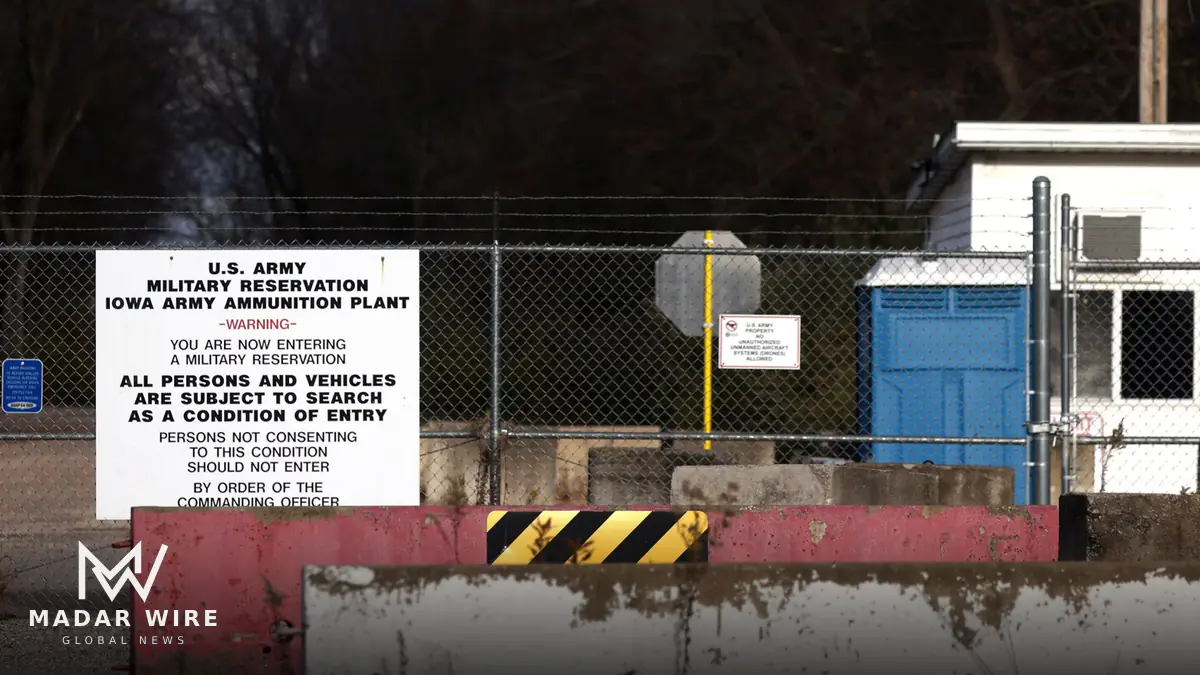
The U.S. Army has completed a series of controlled detonations involving legacy chemical munitions at an Iowa facility, a move that drew sharp criticism from local residents concerned about potential toxic exposure. According to reports from the Associated Press, the operation was part of an ongoing effort to neutralize hazardous materials stored at the site.
While military officials asserted that the destruction was necessary to safely dispose of unstable components, the decision to proceed sparked anxiety within the surrounding community. Residents raised alarms over the possibility that a toxic plume could be released into the atmosphere, potentially endangering those living downwind from the blast site.
Military Safety Protocols vs. Public Concern
Army representatives emphasized that the disposal process was conducted under stringent safety guidelines designed to contain hazardous byproducts. Experts involved in the operation monitored air quality and wind patterns in real-time to ensure that any potential fallout remained within the designated exclusion zones. Despite these assurances, the proximity of the detonation to residential areas left many neighbors questioning the transparency of the military’s risk assessment.
Environmental and Health Oversight
The operation highlights the complex challenges the Department of Defense faces when managing aging chemical stockpiles. As these munitions degrade over time, the risk of accidental leakage or spontaneous reaction increases, forcing the military to choose between long-term storage risks and the immediate impact of controlled destruction. The Associated Press noted that federal oversight agencies were informed of the operation, though local activists continue to demand more robust public notification procedures for future activities.
Moving forward, the Army is expected to continue its cleanup efforts at the Iowa site. Officials have pledged to maintain communication with local authorities to address ongoing health concerns and provide data regarding the environmental impact of the recent detonations.