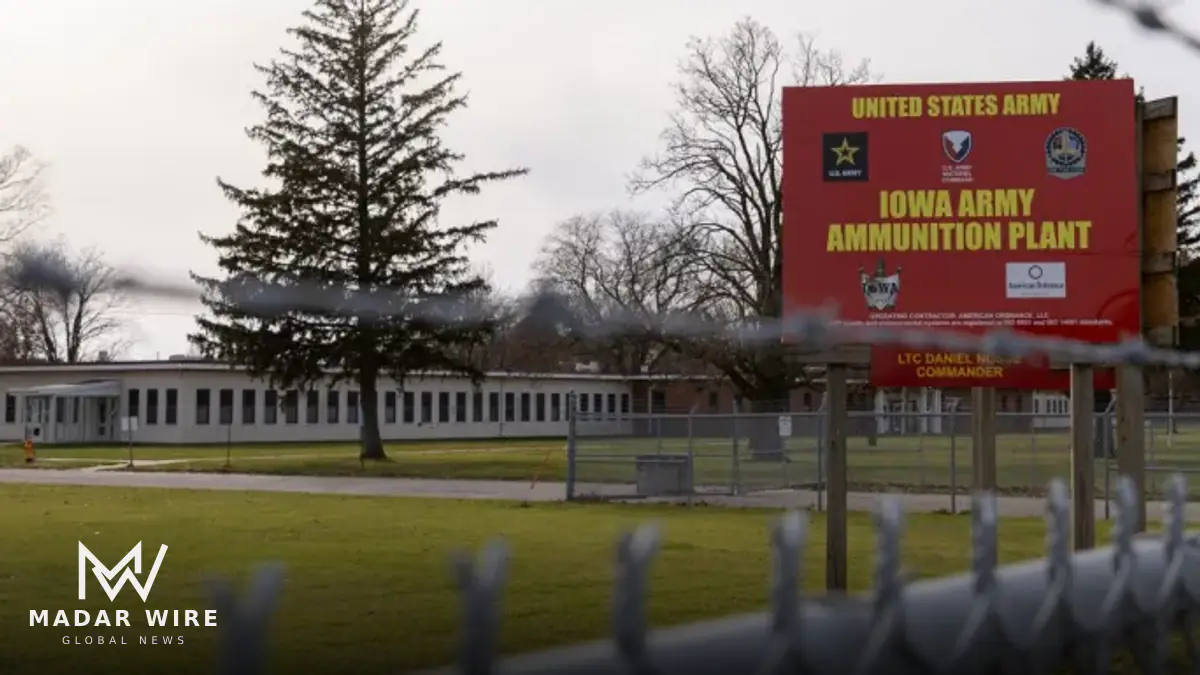
The U.S. Army is scheduled to conduct a controlled detonation of a degraded stockpile of lead azide munitions at the Iowa Army Ammunition Plant in Middletown on Wednesday morning. The operation, set for 10 a.m. EST, marks the culmination of a disposal process that had been previously postponed due to community concerns regarding public health and environmental safety.
Addressing Public Health Concerns
According to reporting by The Hill, the military has faced significant scrutiny from local residents and advocacy groups regarding the potential impact of the detonation. Lead azide, a highly sensitive explosive compound used primarily as a detonator, becomes increasingly unstable as it degrades over time. Army officials have consistently argued that the controlled explosion is the most effective and secure method to neutralize the hazardous material before it poses a greater risk to the facility.
The Army maintains that the site in Middletown is equipped to handle such operations under strict safety guidelines. While the decision to proceed has drawn criticism, the military asserts that the environmental impact will be mitigated through established containment procedures. Officials have not indicated that the surrounding community will face immediate danger during the scheduled window.
Broader Context of Military Logistics
The disposal operation occurs against a backdrop of heightened national attention on military infrastructure and logistics. While the Iowa detonation is a localized event, it highlights the ongoing challenges the Department of Defense faces in managing aging munitions stockpiles across the United States. The Hill notes that the Army remains under pressure to balance operational efficiency with the transparency required to maintain public trust in host communities.
As the 10 a.m. deadline approaches, local authorities are expected to monitor the perimeter of the facility. The Army has not announced any plans for evacuations, suggesting that the controlled nature of the blast is expected to remain within the safety parameters established by environmental and safety regulators.