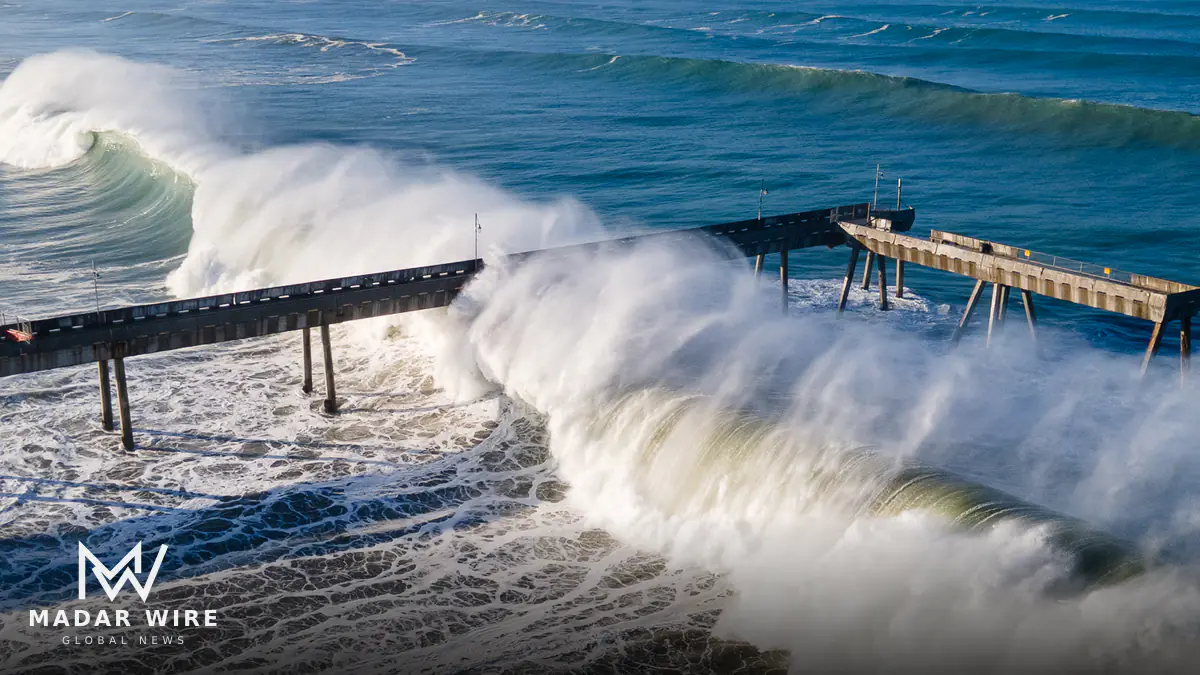
Cleanup crews are working across the San Francisco Bay Area this week following a series of extreme king tides that battered the coastline. According to reports from US Top News - Google, the surge caused significant damage to infrastructure, including a partial collapse of the iconic Pacifica Pier, and forced the closure of several flood-prone roads and local businesses.
The phenomenon, characterized by exceptionally high tides, pushed seawater well beyond typical boundaries. Coastal communities were placed on high alert as waves slammed into sea walls and flooded low-lying residential areas. Local officials have spent the last 48 hours assessing the structural integrity of public piers and clearing debris from roadways that were rendered impassable by the saltwater inundation.
Infrastructure Damage and Public Safety
The damage to the Pacifica Pier serves as a stark reminder of the vulnerability of California’s aging coastal infrastructure. While the pier remains a popular destination for residents and tourists, city engineers are currently conducting safety inspections to determine the extent of the structural compromise caused by the relentless wave action. Public access to the damaged sections remains strictly prohibited until further notice.
Beyond the pier, business owners in coastal zones are grappling with the aftermath of water damage. Several establishments reported flooding that reached interior spaces, requiring extensive cleanup and sanitization. Emergency management teams continue to monitor the shoreline, urging residents to exercise extreme caution when navigating coastal areas during high tide cycles.
Understanding the King Tide Phenomenon
Meteorologists explain that king tides occur when the gravitational pull of the sun and moon align, creating the highest tides of the year. While these events are natural, climate scientists note that they are becoming increasingly disruptive due to long-term sea-level rise. As the baseline for ocean levels shifts upward, even standard high tides are beginning to mimic the flood-inducing power of historic king tides.
State officials are using this event to emphasize the need for long-term coastal resiliency planning. As the Bay Area faces a changing climate, local governments are evaluating new flood mitigation strategies, including the reinforcement of sea walls and the potential elevation of critical coastal infrastructure. For now, residents are advised to monitor local weather alerts and avoid walking on beaches during high-tide windows.