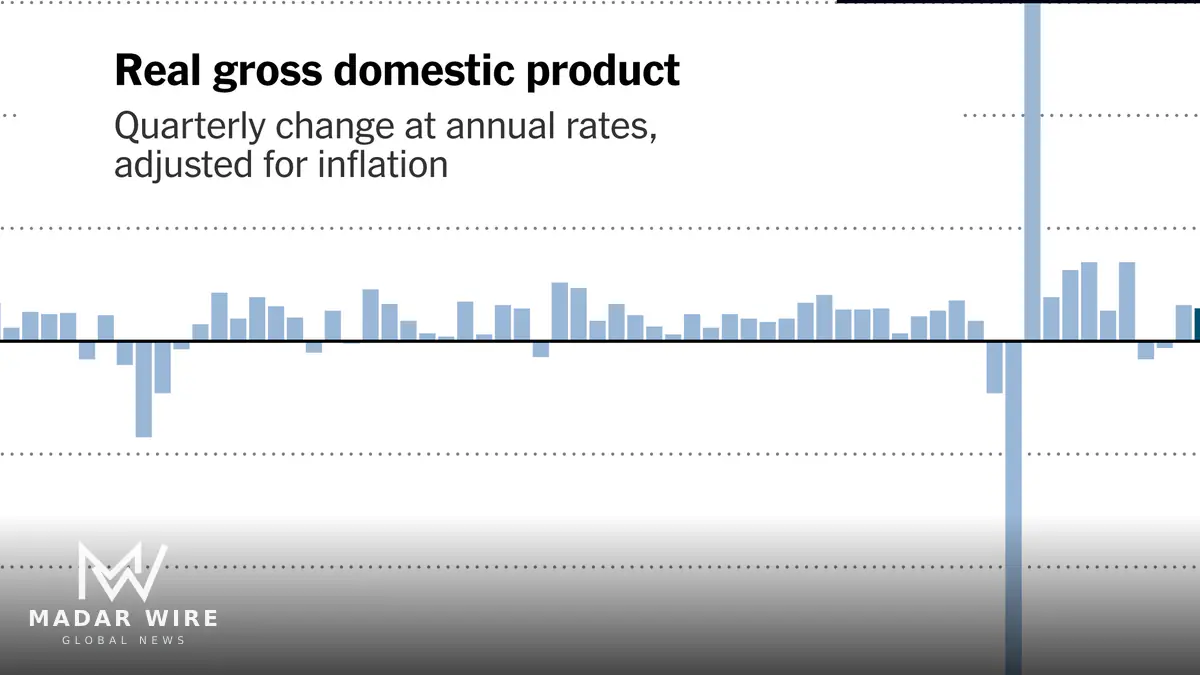
The U.S. economy faces a critical assessment this week as the Commerce Department prepares to release its second estimate of third-quarter gross domestic product (GDP). According to data tracked by US Economy & Markets, this report serves as a vital snapshot for policymakers, investors, and business leaders attempting to gauge the durability of the current expansion.
Initial reports suggested a resilient performance, but the upcoming revision incorporates more comprehensive source data that was unavailable during the preliminary release. Economists are particularly focused on whether consumer spending—the primary engine of the American economy—remains robust in the face of persistent inflationary pressures and elevated borrowing costs.
Analyzing Growth Drivers
Market participants are looking for clarity on how business investment and inventory levels contributed to the headline growth figure. While the preliminary data provided a broad overview, the revised report will break down sector-specific contributions, offering a more nuanced view of where the economy is accelerating and where it may be cooling.
The findings are expected to influence expectations regarding the Federal Reserve’s monetary policy trajectory. With the central bank balancing the dual mandates of stable prices and maximum employment, any significant deviation from the initial GDP estimate could signal a shift in the economic outlook for the remainder of the year.
Economic Context and Market Impact
Financial analysts note that while GDP is a lagging indicator, it remains the standard benchmark for assessing the health of the national economy. The data will be scrutinized for revisions to corporate profits and personal income, which provide insight into the financial health of both households and firms.
As the U.S. navigates a complex global landscape, the accuracy of these figures is paramount for long-term planning. The Bureau of Economic Analysis will publish the full breakdown, providing the granular detail necessary to confirm whether the third-quarter growth trajectory remains consistent with broader annual forecasts.