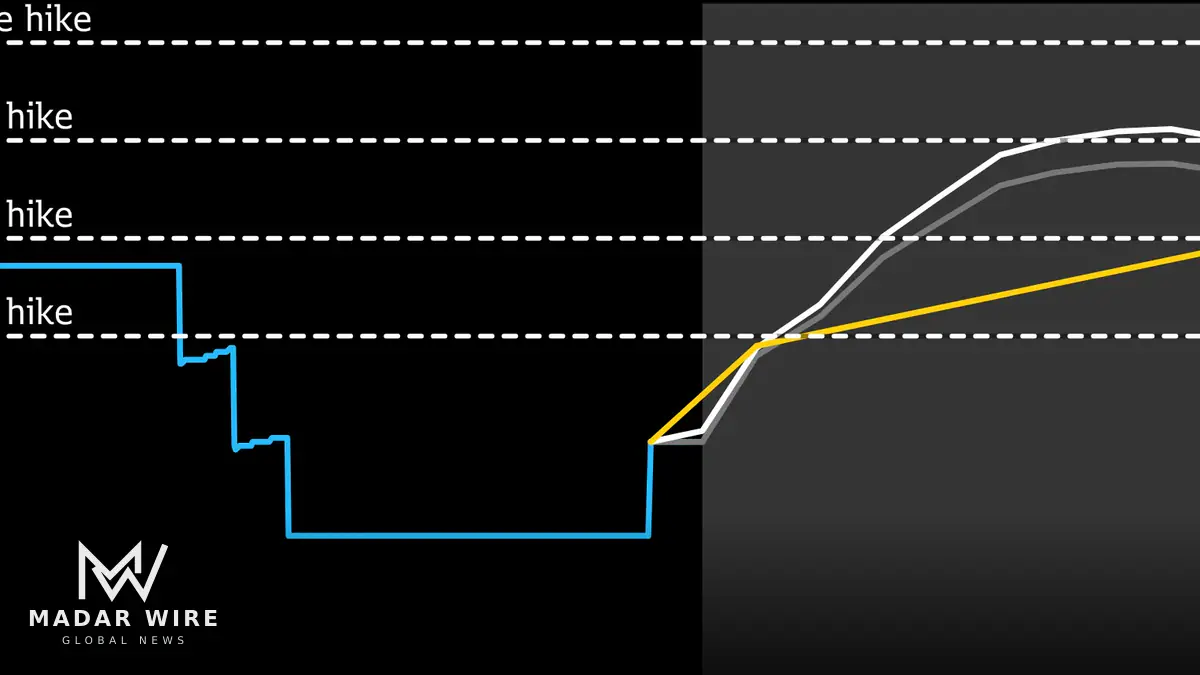
The United States' fourth‑quarter gross domestic product has been revised upward, narrowing the gap between actual growth and the Federal Reserve's inflation target. The upgrade, published by the Financial Times Global, suggests the economy expanded at a 2.9% annualised pace, up from the previously reported 2.6%.
Stronger output revives expectations that the Fed will raise its benchmark interest rate in December, rather than pause as many market participants had anticipated. Analysts note that the revised figures bolster the case for tighter monetary policy to curb lingering price pressures.
Implications for Federal Reserve policy
Federal Reserve Chair Jerome Powell has repeatedly warned that policy decisions will be data‑driven. The new GDP numbers provide fresh ammunition for policymakers who argue that inflation remains too high to justify a rate‑cut or a prolonged hold.
In recent speeches, several Fed officials have hinted that a December hike could be on the agenda if the economy continues to outperform expectations. The revised growth rate reduces the margin for error, making a pause less likely.
Market reaction and outlook
Financial markets reacted swiftly. Treasury yields rose modestly, while the dollar strengthened against major currencies. Equity indices showed mixed performance, reflecting uncertainty over the Fed's next move.
Economists caution that the revised GDP figure is just one piece of the puzzle. Core inflation, wage growth, and global developments will also shape the Fed's decision‑making process. Nevertheless, the upgrade signals that the United States' economic engine is more resilient than previously thought.
According to the Financial Times Global, the data revision underscores the importance of real‑time economic monitoring as the Fed navigates a delicate balance between supporting growth and anchoring inflation expectations.