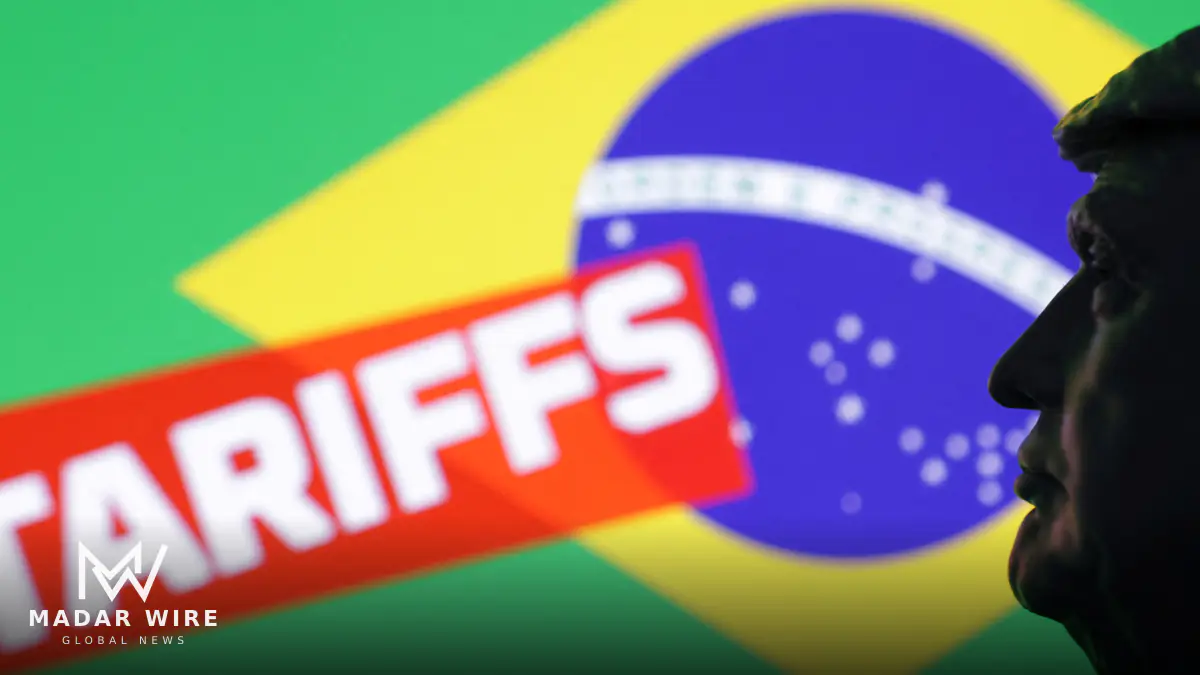
Brazil has formally rejected the latest round of United States tariffs, issuing a stern warning that it will “not yield” to the economic pressure. According to Bloomberg World Economy, the Brazilian government’s response marks a sharp departure from previous diplomatic engagement, signaling a readiness to escalate the trade conflict.
The statement, released by the Ministry of Economy, emphasizes that Brazil views the new tariffs as unjustified and punitive. Officials argued that the measures undermine the principles of fair trade and threaten the stability of global supply chains. This hardline stance reflects a growing frustration among Brazilian policymakers regarding the asymmetry in the current trade relationship.
Diplomatic Tensions Escalate
The rhetoric from Brasília has been notably firm, contrasting with the more measured tones used in previous negotiations. By using the phrase “not yield,” Brazilian leaders are attempting to project strength and unity to both domestic audiences and international partners. Analysts note that this language is often a precursor to retaliatory measures, suggesting that Brazil may soon impose its own tariffs on American goods.
Trade experts cited by Bloomberg World Economy warn that a full-blown trade war could have significant repercussions for key sectors, including agriculture and automotive manufacturing. Brazil is a major exporter of soybeans, beef, and iron ore, while the US remains a critical market for Brazilian industrial products. The potential for mutual economic damage is high, with both nations facing the risk of increased consumer prices and reduced export revenues.
Global Market Implications
The dispute has already begun to ripple through global markets, with investors assessing the potential impact on emerging economies. The US and Brazil are significant players in the global trade landscape, and their conflict could force other nations to choose sides or seek alternative trading partners. The European Union and China are closely monitoring the situation, as a prolonged trade war could disrupt established supply chains and trade agreements.
While diplomatic channels remain open, the immediate future appears tense. Both governments have indicated that they are prepared to defend their economic interests, leaving little room for quick compromises. The coming weeks will be crucial in determining whether the dispute can be de-escalated or if it will evolve into a long-term structural conflict in global trade.