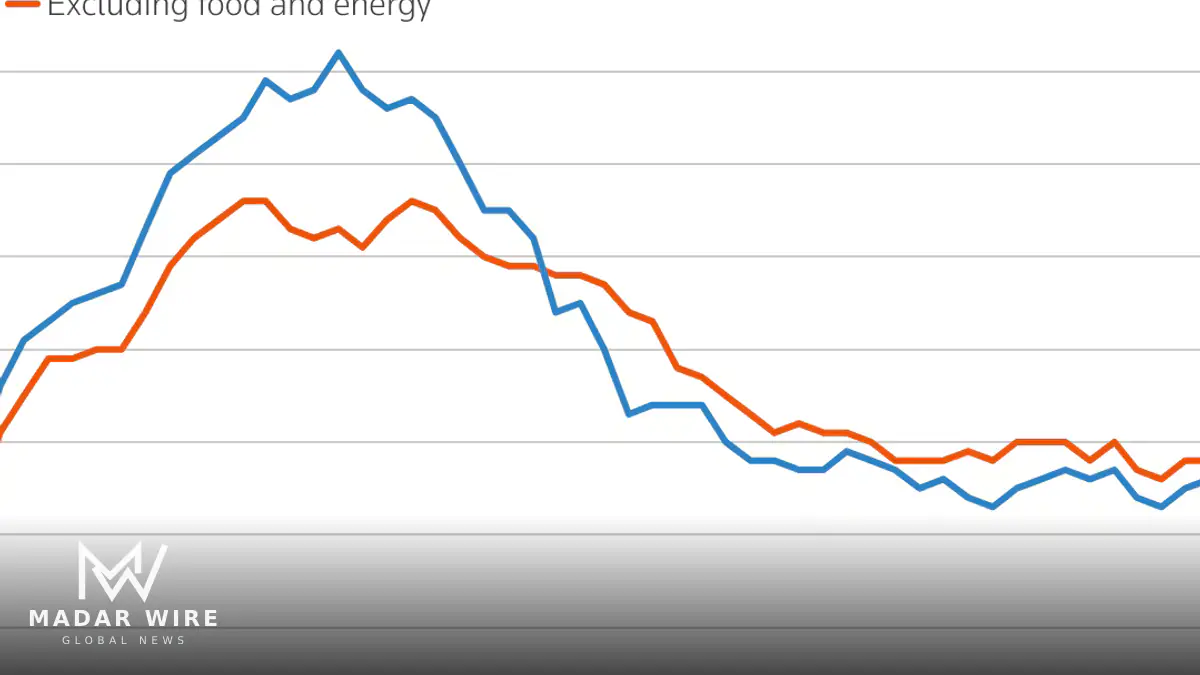
US consumer spending has entered a period of consolidation, with growth rates decelerating after a notably strong previous quarter. According to data analyzed by Bloomberg World Economy, the pace of retail consumption has cooled, marking a shift from the aggressive spending trends observed earlier in the year.
This moderation in spending habits is a critical indicator for economists monitoring the health of the American economy. While the initial surge in consumption provided a significant boost to GDP, the current pause suggests that households are adjusting their budgets in response to persistent economic headwinds.
Economic Momentum Cools
The recent data reveals a clear divergence from the high-growth trajectory seen in the prior period. Bloomberg World Economy notes that while total expenditure remains elevated, the rate of increase has flattened. This pattern is often interpreted as a sign of maturing economic cycles, where initial stimulus effects or pent-up demand begin to normalize.
Analysts point out that this slowdown is not necessarily indicative of a recession, but rather a correction. Consumers are likely becoming more selective, prioritizing essential goods over discretionary items. This behavior aligns with broader trends of cautious financial planning amid uncertain interest rate environments and inflationary pressures.
Implications for Market Outlook
The implications of this spending pause extend beyond retail sales to broader market expectations. A cooling consumer sector may influence corporate earnings forecasts, particularly for companies heavily reliant on discretionary spending. Bloomberg World Economy highlights that investors are closely watching these metrics to gauge the Federal Reserve's next moves on monetary policy.
Furthermore, the data underscores the resilience of the US labor market, which continues to support income levels despite the spending slowdown. However, the deceleration serves as a reminder that consumer confidence can be volatile. As the economy transitions from a phase of rapid expansion to a more stable growth phase, policymakers will need to balance support measures to ensure a soft landing.
In conclusion, the recent pause in US consumer spending represents a significant adjustment in economic dynamics. While it follows a period of exceptional strength, it signals a return to more sustainable growth rates. Continued monitoring of these trends will be essential for understanding the future trajectory of the American economy.