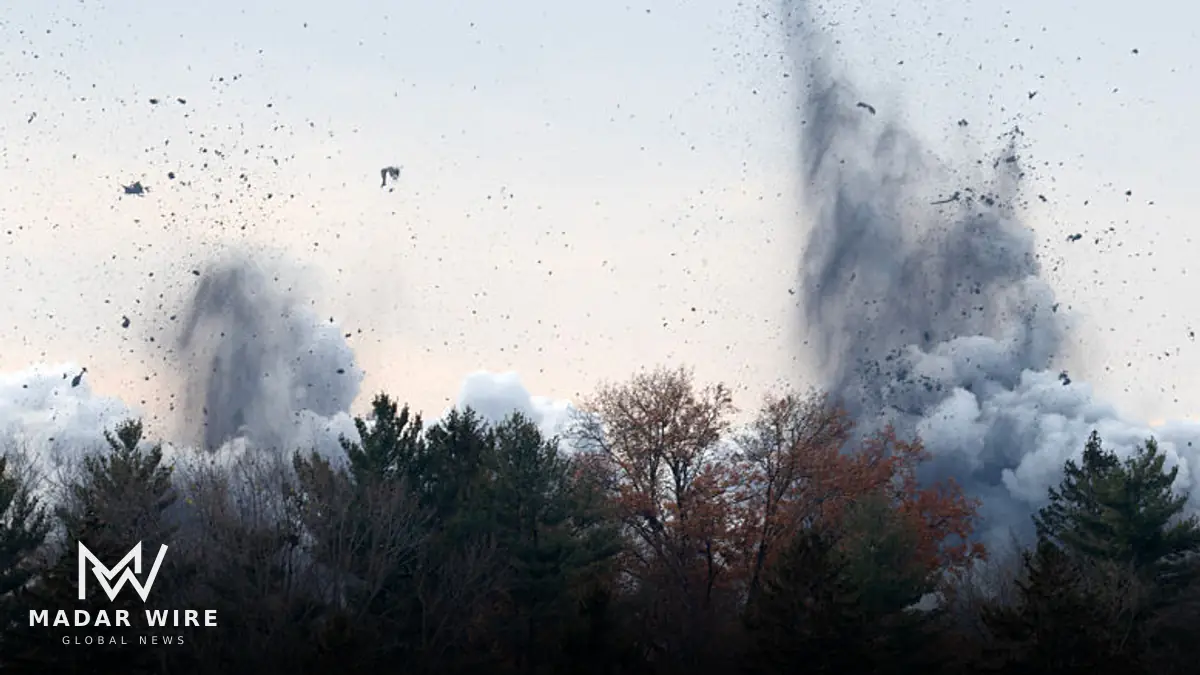
Environmental Protection Agency (EPA) teams have launched a comprehensive testing initiative in Iowa following the U.S. Army’s controlled detonation of the nation’s lead azide stockpile. The operation, which aimed to eliminate the hazardous explosive material, has prompted federal officials to monitor the surrounding environment for potential heavy metal contamination.
According to reporting from NPR US News, the cleanup and assessment phase is a standard safety procedure following the destruction of such materials. Lead azide is a highly sensitive explosive commonly used as a primary detonator in munitions, and its disposal requires specialized handling to prevent environmental degradation.
Monitoring Environmental Safety
EPA personnel are currently collecting samples from the soil, air, and water in the vicinity of the detonation site. The objective is to determine whether any particulate matter or chemical runoff has exceeded federal safety thresholds. While the Army has not reported any immediate breaches of containment, the EPA’s involvement ensures that local ecosystems are not compromised by the residual effects of the explosion.
The agency is utilizing high-precision sensors and laboratory analysis to track the dispersion of lead particles. These efforts are part of a broader federal mandate to ensure that military disposal activities do not pose a long-term threat to public health or local agricultural land.
Operational Context and Oversight
The decision to destroy the stockpile reflects a shift in military inventory management regarding aging or volatile explosive components. By centralizing the disposal process, the Army aims to mitigate the risks associated with storing lead azide, which becomes increasingly unstable over time.
NPR US News notes that the EPA will continue to provide updates as laboratory results become available. Local authorities have been briefed on the testing protocols, and officials emphasize that the monitoring process is a precautionary measure intended to maintain transparency and environmental compliance throughout the post-detonation period.