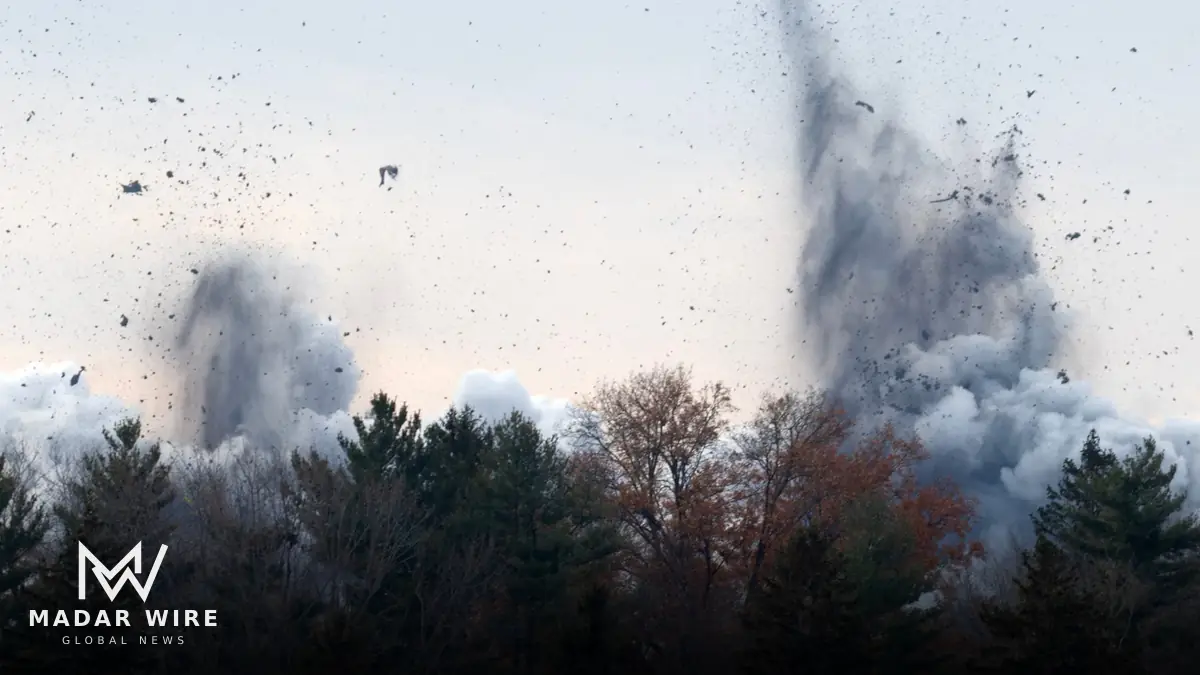
The U.S. Army conducted a series of controlled detonations involving lead azide at the Iowa Army Ammunition Plant this week, an event that has drawn significant scrutiny from environmental advocates and local residents. According to reports compiled by US Top News, the military utilized open-air detonation to dispose of the hazardous material, a process that has historically raised concerns regarding air and soil contamination.
Footage of the blast was broadcast live, providing a rare glimpse into the disposal operations at the federal facility. While the Army maintains that the procedure was conducted under strict safety protocols, the decision to proceed with open-air detonation has reignited a national conversation about the military's reliance on legacy disposal techniques.
Environmental and Safety Criticisms
The operation has faced intense pushback following reports that the Army rejected cleaner, more modern alternatives for destroying lead-laced explosives. Critics argue that these newer technologies could effectively neutralize the hazardous components without releasing lead particles into the surrounding environment. The reliance on older methods is being viewed by some as a cost-saving measure that prioritizes speed over long-term public health and ecological safety.
The Iowa facility, which has long served as a critical hub for munitions production and disposal, is now under pressure to justify its waste management strategies. Environmental groups have called for a comprehensive review of the disposal process, citing the potential for lead accumulation in the local ecosystem. The Army has stated it will continue to brief the public on its operational procedures as the cleanup and disposal phase continues.
Operational Transparency and Oversight
Government officials have been tasked with addressing the growing concerns from the local community regarding the potential for lead exposure. While the Army asserts that the detonations are necessary to maintain the safety of the munitions stockpile, the lack of a transition to greener disposal methods remains a point of contention.
As the situation develops, oversight committees are expected to evaluate whether the military's current disposal practices align with modern environmental regulations. The incident serves as a flashpoint for broader discussions regarding the environmental footprint of U.S. defense infrastructure and the ongoing need for sustainable hazardous waste management.