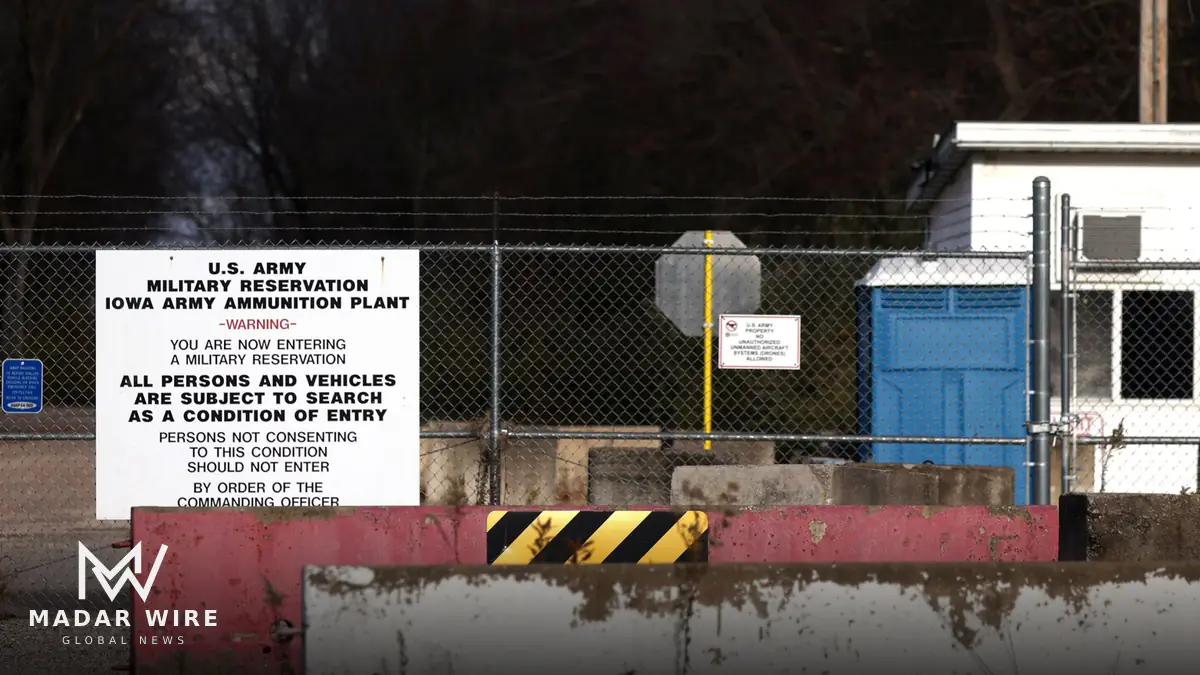
The U.S. Army has completed a controlled detonation of a cache of lead-based explosives, prompting a widespread public safety advisory across parts of Iowa. According to reports from US Top News - Google, the operation was conducted to safely dispose of legacy materials, though officials warned that the process could result in the release of toxic particulates into the atmosphere.
Mapping Potential Exposure Zones
Military officials released detailed maps following the operation, identifying specific geographic areas where residents might have been exposed to lead-laden dust or smoke plumes. While the detonation was planned and supervised, the potential for environmental impact remains a primary concern for local health authorities. The Army has urged residents within the identified zones to monitor official communications for further health guidance as air quality assessments continue.
Historical Context and Safety Protocols
The operation has reignited local discussions regarding the inherent dangers of handling volatile explosive materials. Industry experts, including workers who survived the 2006 industrial explosion in Middletown, have highlighted the catastrophic risks associated with even minor miscalculations during detonation procedures. These experts emphasized that while controlled blasts are necessary for decommissioning dangerous stockpiles, the margin for error is razor-thin.
Public safety officials are currently coordinating with environmental agencies to track the dispersion of the plume. Residents who suspect they have been exposed to hazardous material are being directed to follow standard decontamination protocols and contact local health departments if they experience respiratory distress or other symptoms. The Army maintains that the operation was the safest available method for disposing of the aging munitions, despite the temporary risks posed to the surrounding community.