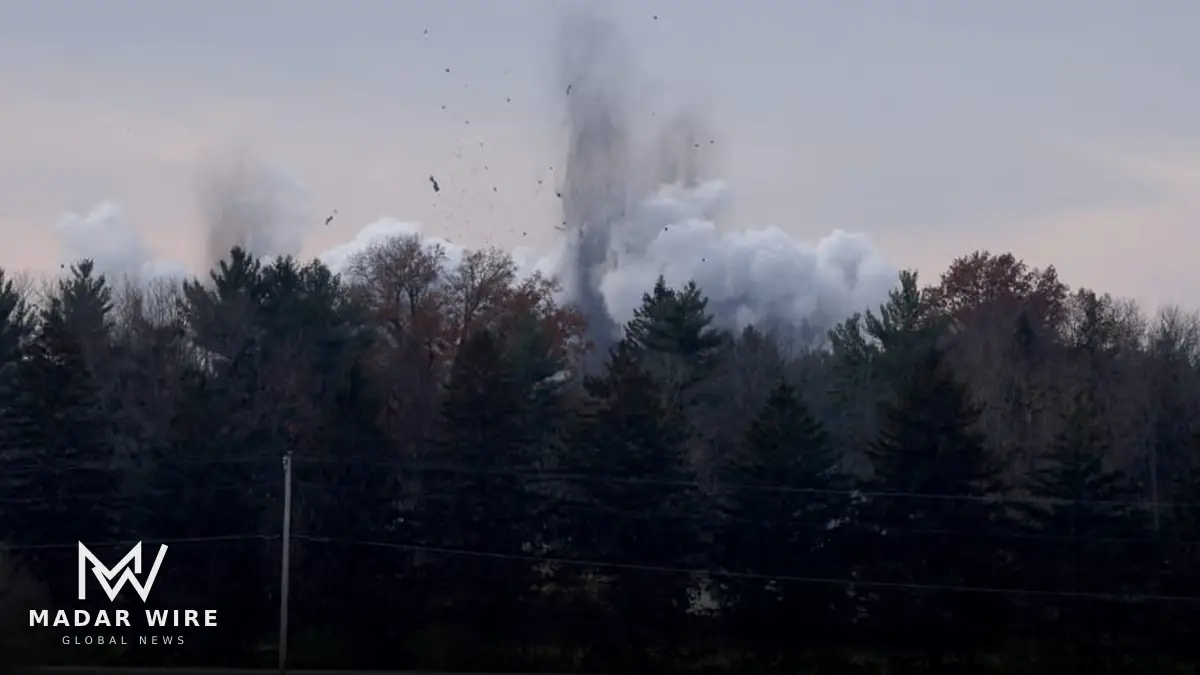
The US Army has successfully completed a controlled detonation of a significant stockpile of degraded lead azide at the Iowa Army Ammunition Plant. The operation, which drew national attention, was deemed necessary by military officials to neutralise highly unstable chemical compounds that had reached the end of their operational lifespan.
According to reports from UK Top News - Google, the disposal process triggered widespread concern among local communities. Thousands of residents were issued emergency alerts as the military moved to destroy the toxic materials, which are commonly utilised in the production of detonators and primers for munitions.
Managing chemical instability
Lead azide is notoriously sensitive to friction, heat, and impact, making its long-term storage increasingly hazardous. As the chemical degrades over time, it becomes prone to spontaneous ignition, forcing the military to prioritise its destruction in a controlled environment rather than attempting to transport the volatile substances across public infrastructure.
The decision to proceed with the detonation followed rigorous risk assessments conducted by ordnance disposal experts. Despite the precautions, the scale of the stockpile and the proximity to residential areas led to heightened anxiety, prompting local authorities to implement precautionary safety measures throughout the duration of the blast operation.
Operational transparency and next steps
Military commanders are scheduled to hold a briefing later today to address the success of the operation and the environmental monitoring protocols that were in place during the explosion. The Army has maintained that the site was selected specifically to minimise the risk to the public and surrounding infrastructure.
While the immediate threat posed by the degraded chemicals has been mitigated, the incident has reignited broader discussions regarding the management of ageing military munitions. Officials are expected to provide further clarity on whether additional stockpiles require similar disposal methods in the coming months.