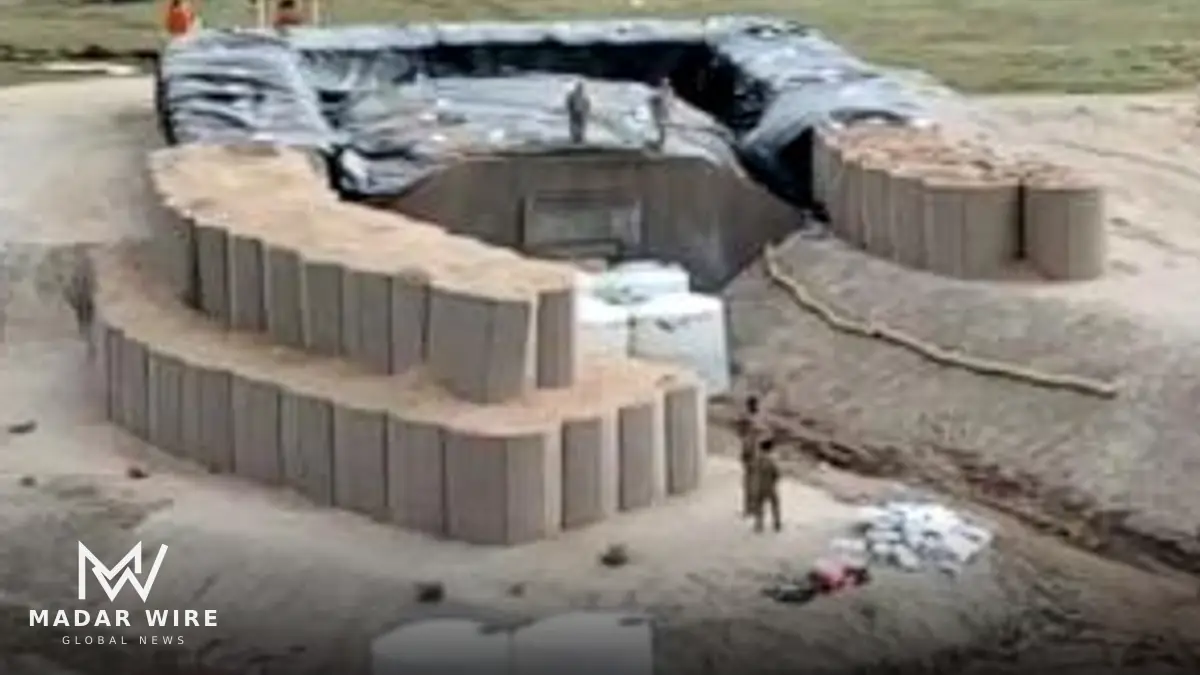
Des Moines, Iowa — The U.S. Army has commenced the controlled detonation of nearly five tons of lead azide at an ammunition plant in Iowa. According to ABC News, the operation marks the final phase of a long-standing effort to remove hazardous materials from the facility. The detonations are being conducted in small, managed batches to ensure maximum safety for personnel and the surrounding community.
Delayed Hazardous Waste Removal
The disposal process has faced significant delays, attributed to the complex nature of handling lead azide, a highly sensitive and toxic explosive compound. ABC News reports that logistical challenges and strict safety protocols extended the timeline for the operation. Army officials emphasized that the delays were necessary to mitigate risks associated with the material's instability and environmental impact. The facility, which has long served as a hub for munitions production, is now undergoing rigorous cleanup procedures to meet federal environmental standards.
Safety Protocols and Environmental Concerns
Lead azide is a primary explosive known for its high sensitivity to shock, friction, and heat. Its presence at the Iowa plant posed a persistent risk, prompting the Army to prioritize its removal. The detonation process involves precise timing and remote execution to prevent accidental ignition. Environmental agencies are monitoring air and water quality in the vicinity to ensure no contamination spreads beyond the secured perimeter. Local residents have been advised to stay informed through official Army channels, though no immediate evacuation orders have been issued. The successful completion of this operation will allow the Army to proceed with the broader remediation of the site, aiming to return the land to a safe and usable state.
This effort underscores the ongoing challenges faced by military installations in managing legacy hazardous materials. As the detonations continue, the Army remains committed to transparency and strict adherence to safety guidelines. The conclusion of this phase will be a critical milestone in the plant's long-term environmental restoration plan.