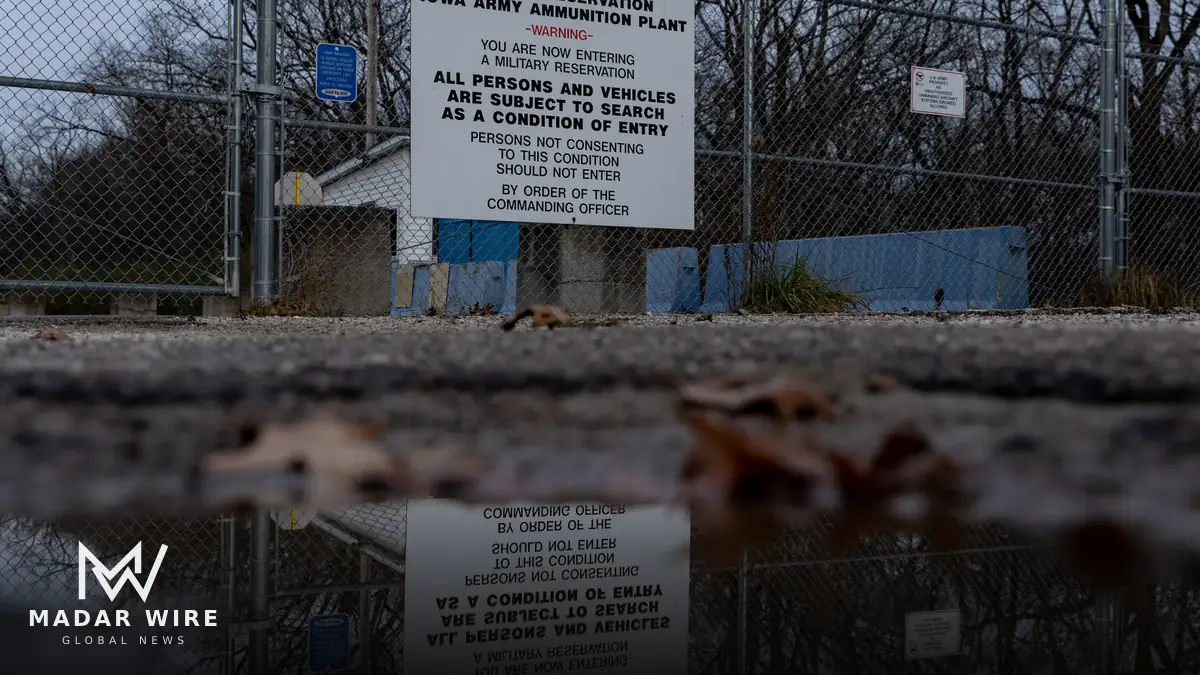
The US Army has confirmed the successful detonation of a large stockpile of toxic chemicals in Iowa, an operation that forced thousands of local residents to remain indoors. The controlled blast, conducted in Middletown, targeted lead azide, a highly sensitive explosive compound that had been stored for decades.
According to reports from UK Top News - Google, the military issued urgent alerts to the surrounding community, instructing them to shelter in place to avoid exposure to potential airborne contaminants. The operation was designed to safely dispose of the hazardous material, which posed a significant risk if left in its current state.
Military declares operation a success
Following the detonation, US Army officials issued a statement describing the event as a "tremendous success." The military emphasised that the blast was carefully controlled to minimise impact on the surrounding area. Despite the successful disposal of the primary threat, authorities have continued to monitor air quality in the region.
Maps and data released in the aftermath suggest that lead dust from the Wednesday detonation could potentially travel to nearby areas. Environmental groups and local officials are closely tracking these developments to ensure that public health remains protected. The Army has stated that all safety protocols were strictly adhered to during the operation.
Public safety and environmental concerns
The decision to detonate the stockpile was made after years of assessment regarding the stability of the stored chemicals. Lead azide is known for its high sensitivity and toxicity, making its long-term storage a persistent concern for both military and civilian authorities. The shelter-in-place orders were a precautionary measure to prevent any inhalation of particulate matter during the blast.
Residents in the immediate vicinity reported hearing a significant boom but noted that no immediate structural damage was observed in their homes. Local health departments have advised residents to continue following official guidance regarding air filtration and outdoor activity. The incident highlights the ongoing challenges of managing legacy hazardous materials in the United States.
As the dust settles, both the military and local government officials are preparing detailed reports on the environmental impact of the detonation. Further updates are expected as air quality data is analysed over the coming days.