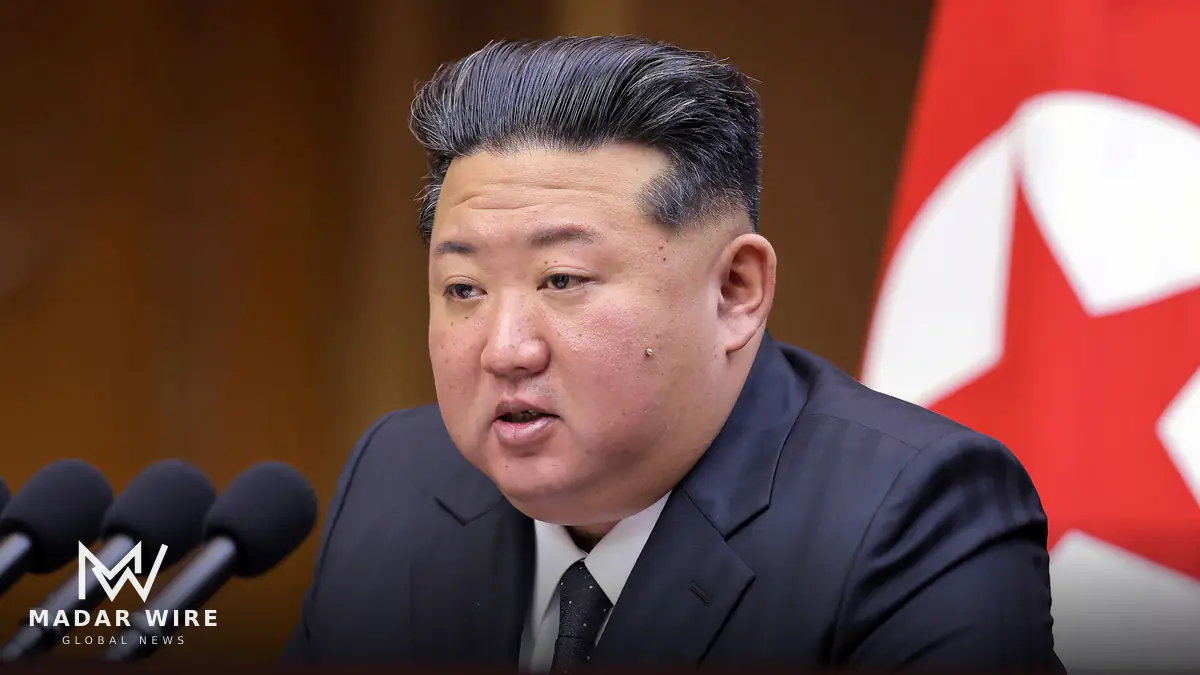
North Korean leader Kim Jong Un has issued a formal directive to significantly expand the country’s nuclear arsenal, insisting that the nation’s status as a nuclear power is permanent. According to reports monitored by UK Top News - Google, the leader emphasised that the deployment of tactical nuclear weapons must be broadened to ensure national security against external threats.
During a recent inspection of key military facilities, Kim Jong Un stated that the current geopolitical climate necessitates a rapid increase in the production of nuclear warheads. He argued that the country's defensive posture requires a more robust and versatile nuclear capability, specifically targeting the integration of tactical assets into frontline military units.
Strategic Shift in Tactical Deployment
The latest pronouncement from Pyongyang suggests a pivot toward diversifying how nuclear weapons are integrated into conventional military operations. By focusing on tactical deployment, the regime aims to enhance its ability to strike regional targets with greater precision. Analysts suggest this move is intended to signal to neighbouring states and international observers that North Korea’s nuclear deterrent is no longer merely a strategic threat but a functional component of its active military doctrine.
State-run media outlet KCNA reported that Kim Jong Un remains steadfast in his refusal to engage in denuclearisation discussions. He reiterated that the country’s nuclear status will never change, effectively closing the door on diplomatic efforts that seek to roll back the regime's atomic programme. This rhetoric reinforces a long-standing policy of prioritising military strength over international economic cooperation.
Regional Security Implications
The announcement has sparked immediate concern among regional powers, who view the expansion as a direct challenge to stability on the Korean Peninsula. While the regime has frequently tested its missile capabilities, the explicit call for a wider deployment of tactical nuclear weapons represents a significant escalation in military rhetoric.
International observers are now assessing how this directive will influence the security landscape in East Asia. With the regime showing no signs of de-escalation, the focus shifts to how global powers will respond to the continued hardening of Pyongyang’s military stance. The situation remains fluid as military intelligence agencies monitor the reported facility upgrades and production timelines closely.