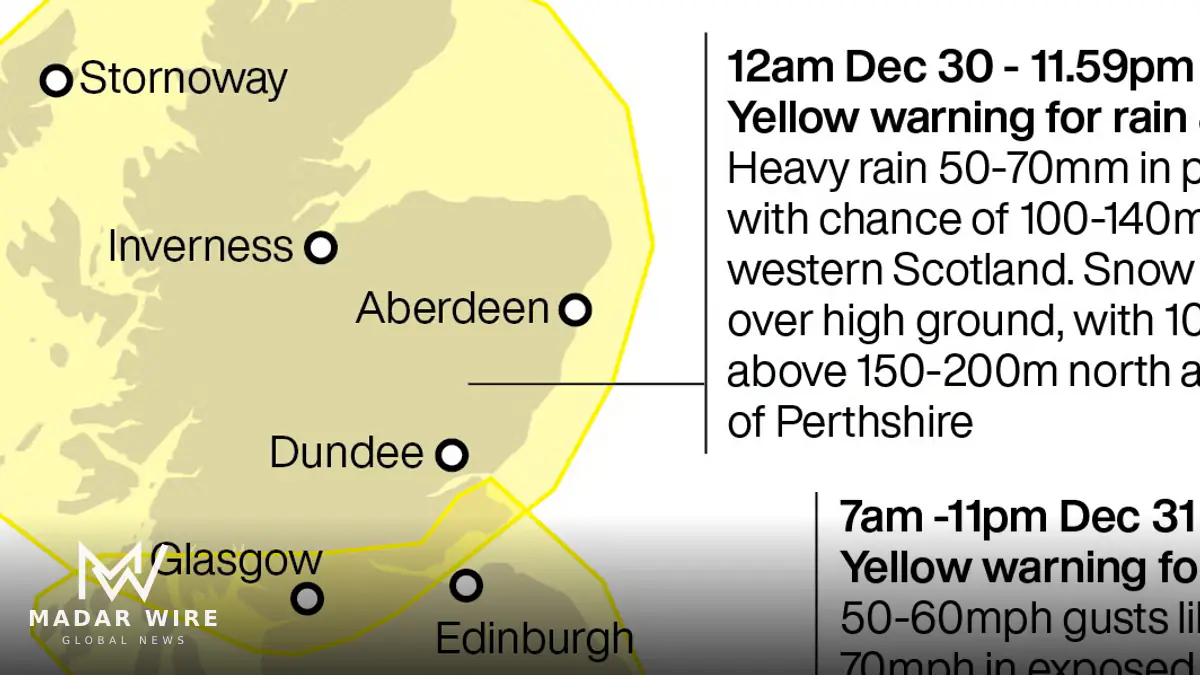
The Met Office has issued a stark warning regarding the future of the British climate, stating that the UK is entering a period where traditional winters may become a thing of the past. According to data aggregated by UK Top News, the nation is trending toward a permanent shift in seasonal weather patterns, characterised by fewer frosts and increasingly intense summer heat.
Meteorologists suggest that the influence of human-induced climate change is now clearly visible in long-term observational records. The shift is not merely a temporary fluctuation but a fundamental alteration in the atmospheric conditions that have historically defined the British landscape. As global temperatures rise, the frequency of sub-zero temperatures during the winter months is expected to decline significantly.
A new seasonal reality
The implications of this transition extend beyond simple temperature changes. The Met Office highlights that the UK is likely to experience more frequent and prolonged heatwaves during the summer, placing additional pressure on infrastructure, agriculture, and public health services. These findings align with broader environmental reports indicating that the UK’s climate is becoming more volatile.
Regional data further underscores this trend. In the East of England, specific shifts in seasonal rainfall and temperature profiles have been noted, suggesting that the impact of these changes will not be uniform across the country. Localised weather patterns are adapting to the warmer baseline, creating new challenges for flood management and water resource planning.
Adapting to long-term change
The scientific consensus points to a future where the distinction between seasons becomes less pronounced in terms of traditional cold-weather events. While the UK will continue to experience variable weather, the probability of sustained, freezing winters is diminishing. This transition necessitates a rethink of national adaptation strategies, particularly regarding energy consumption and the resilience of the built environment.
As the Met Office continues to monitor these developments, the focus remains on the necessity of long-term climate mitigation. The data serves as a critical indicator that the environmental baseline for the UK has shifted, requiring both policy makers and the public to prepare for a warmer, more unpredictable future.