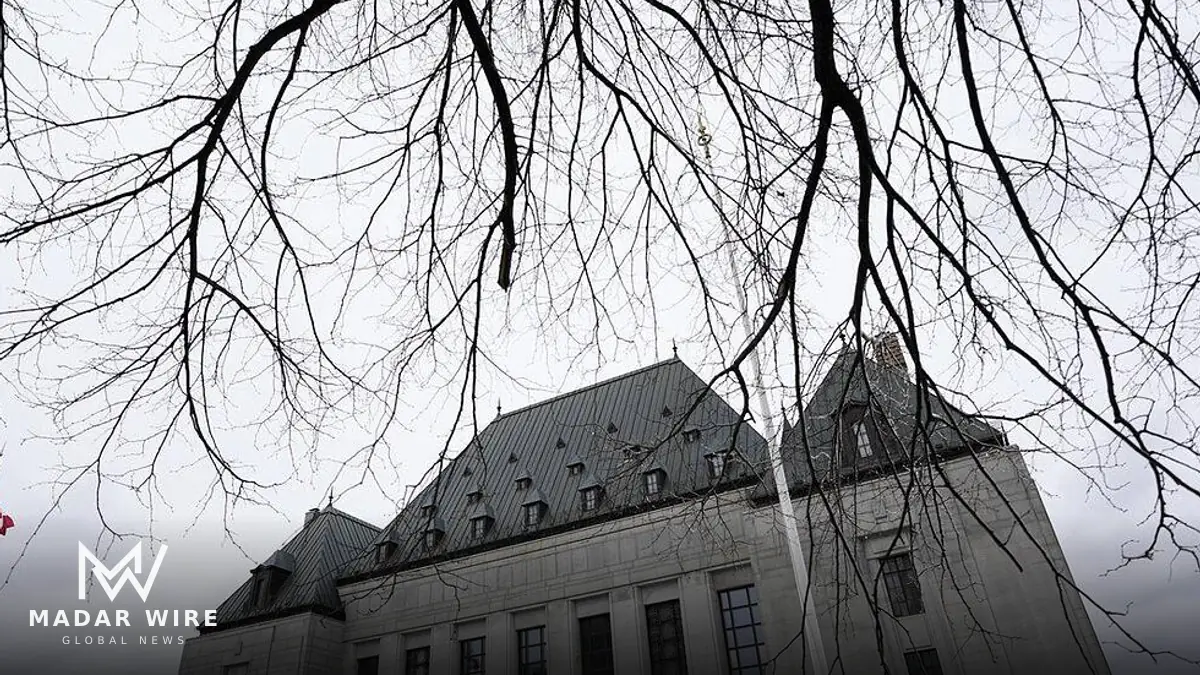
The Supreme Court of Canada has upheld Quebec’s controversial Law 21, which bans public sector workers from wearing religious symbols such as hijabs, turbans, or kippas. The landmark decision, reported by Guardian International, confirms the province’s right to enforce secularism in government roles, marking a significant victory for Quebec’s secularism policy.
Legal Battle Over Secularism
The ruling comes after years of legal challenges, with opponents arguing the law violates religious freedom under Canada’s Charter of Rights and Freedoms. However, the court ruled that Quebec’s objective—maintaining state neutrality in public services—outweighs individual religious expression. Justice Rosalie Silberman Abella, writing for the majority, emphasized that the law applies only to public-facing roles, such as teachers and police officers, not private-sector employees.
Reactions and Implications
Quebec Premier François Legault welcomed the decision, stating it ‘protects the principles of secularism and equality’ in public institutions. Meanwhile, critics, including the Canadian Council of Muslim Women, condemned the ruling as discriminatory, arguing it disproportionately affects religious minorities. The case has sparked broader debates across Canada about secularism, multiculturalism, and the role of religion in public life.
The decision sets a precedent for other provinces considering similar legislation, though it remains contentious in a country known for its multicultural identity. Guardian International noted that the ruling could influence future legal battles over religious accommodation in public services.