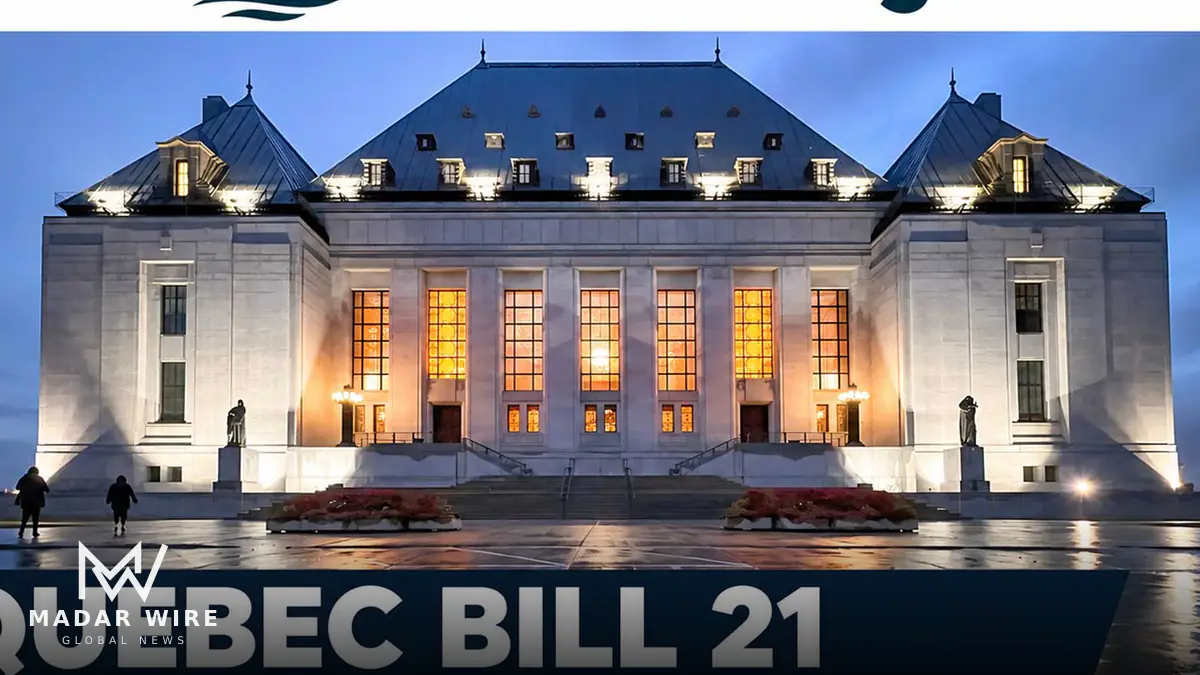
The Supreme Court of Canada is poised to deliver a definitive ruling this Friday regarding Quebec’s controversial secularism law, known as Bill 21. The legislation, which bars public sector employees in positions of authority—including teachers, police officers, and judges—from wearing religious symbols while on duty, has remained a flashpoint in Canadian constitutional law since its adoption.
According to reporting from CBC News - Politics, the legal challenge centers on the balance between provincial jurisdiction and fundamental human rights. The law has been shielded from certain legal challenges through the use of the notwithstanding clause, a mechanism that allows provinces to temporarily override specific sections of the Canadian Charter of Rights and Freedoms.
A Test of Constitutional Boundaries
Legal experts and stakeholders on both sides of the debate are bracing for the outcome. Proponents of the law argue that it is a necessary measure to preserve the secular nature of the state and reflects the will of the Quebec electorate. Conversely, civil liberties groups maintain that the policy discriminates against religious minorities and undermines the inclusive spirit of the Charter.
The upcoming decision is expected to clarify the extent to which provinces can utilize the notwithstanding clause to bypass Charter protections. As noted by CBC News - Politics, the ruling could have significant implications for how other provinces approach similar legislation in the future, potentially reshaping the landscape of Canadian federalism.
National Implications for Religious Freedom
The case has drawn national attention, highlighting the tension between provincial autonomy and individual rights. While the Quebec government has consistently defended the law as a matter of provincial sovereignty, critics argue that the impact on religious minorities is profound and exclusionary.
Observers are watching closely to see if the Supreme Court will address the broader constitutional questions surrounding the use of the notwithstanding clause. Regardless of the specific outcome, the ruling is expected to serve as a landmark moment in the ongoing dialogue regarding secularism and religious expression in Canadian public institutions.