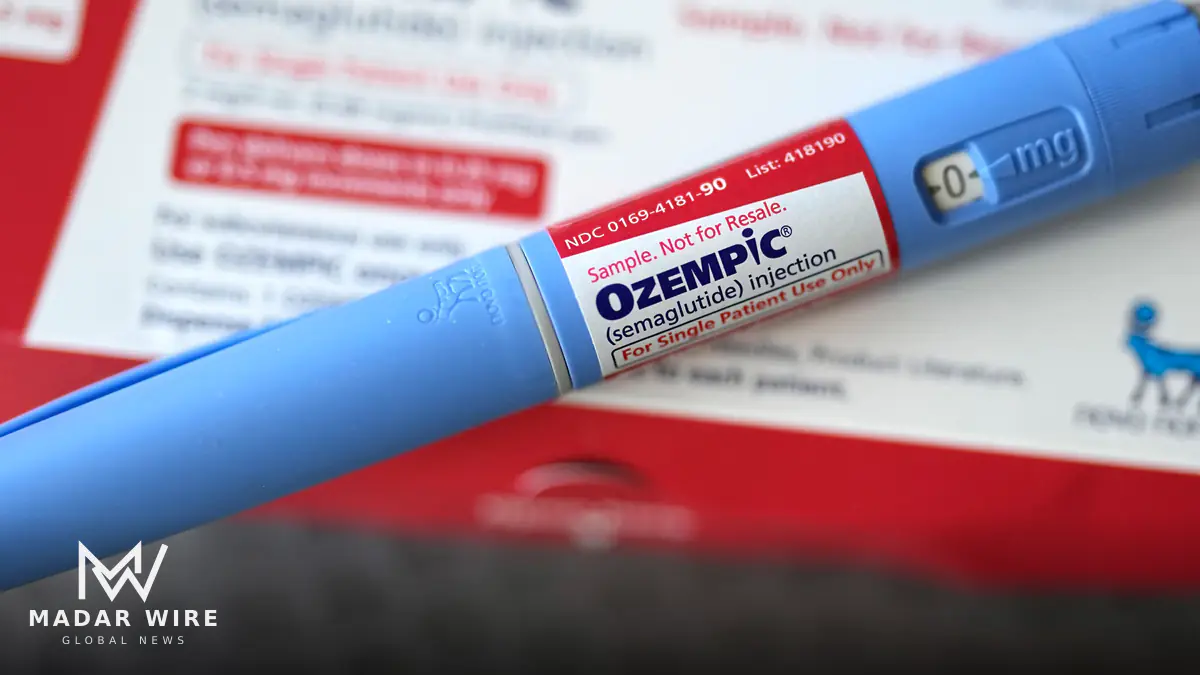
Health Canada has issued a formal warning regarding a rare but serious risk of vision loss associated with semaglutide-based medications, including the popular weight-loss and diabetes drug Ozempic. The regulatory body advises patients to seek urgent medical attention if they experience blurring, cloudiness, rapidly worsening sight, or sudden vision loss while using these treatments.
Rare but Serious Side Effect
According to reporting by The Globe and Mail, the warning highlights a specific condition known as non-arteritic anterior ischemic optic neuropathy (NAION). This rare eye disorder involves damage to the optic nerve, which can lead to permanent vision loss. While the incidence is low, Health Canada emphasizes that the risk cannot be ignored, particularly for individuals with pre-existing risk factors such as diabetes, high blood pressure, or smoking.
Semaglutide is widely prescribed across Canada for the management of type 2 diabetes and, more recently, for chronic weight management. The drug has gained significant popularity in recent years, leading to increased usage and, consequently, more reported side effects. Health Canada’s warning does not recommend discontinuing the medication for all patients but rather stresses the importance of awareness and immediate reporting of visual disturbances.
Advice for Patients
Health officials urge patients taking semaglutide to monitor their vision closely. If any changes in sight occur, they should contact their healthcare provider immediately. The warning aligns with similar alerts issued by regulatory agencies in other countries, including the United States and the European Union, which have also flagged the potential link between semaglutide and optic nerve issues.
Experts note that while the absolute risk remains low, the severity of the potential outcome warrants caution. Patients with a history of eye conditions or those with multiple cardiovascular risk factors should discuss their individual risk profile with their doctors. The Globe and Mail notes that this warning is part of a broader effort to ensure patient safety as the use of GLP-1 receptor agonists expands globally.
Health Canada continues to monitor post-market safety data for semaglutide and other similar medications. The agency encourages healthcare professionals to remain vigilant and to educate patients about the signs and symptoms of potential adverse effects. This proactive approach aims to mitigate risks while allowing patients to benefit from the therapeutic advantages of these medications.