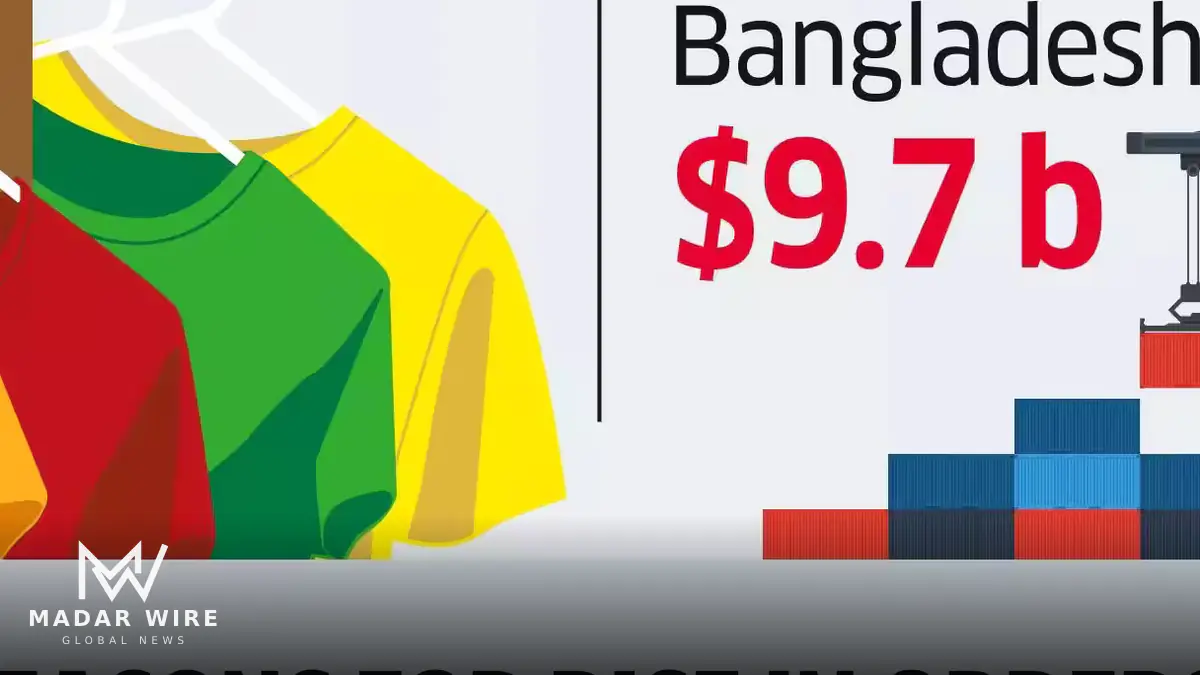
Dhaka/Kolkata – Global fashion brands are rapidly relocating production orders from Bangladesh to India amid escalating political unrest, according to an exclusive report by Reuters International. The shift marks a significant strategic realignment for the industry, as companies prioritize operational continuity and worker safety.
The move follows weeks of protests, factory closures, and disruptions in Bangladesh’s garment sector—the world’s second-largest apparel exporter. Reuters cited industry sources confirming that brands including H&M, Zara (Inditex), and Gap have already begun transferring orders to Indian factories, leveraging the country’s expanding textile infrastructure and lower labor costs in certain regions.
Unrest Disrupts Bangladesh’s Garment Industry
The unrest, triggered by wage disputes and political tensions, has led to partial factory shutdowns and delayed shipments. According to Reuters, union leaders and factory owners reported that over 30% of production capacity in Dhaka’s industrial zones remains idle. The situation has heightened risks for brands reliant on just-in-time supply chains, prompting preemptive diversification.
“The volatility in Bangladesh is no longer sustainable for long-term contracts,” said a senior sourcing executive at a European fashion retailer, speaking anonymously due to confidentiality agreements. “India offers a more stable environment, despite higher wages in some states.”
India’s Textile Sector Gains Momentum
India’s government has aggressively promoted its ‘Make in India’ initiative, offering incentives such as tax breaks and streamlined customs for foreign investors. Reuters noted that states like Tamil Nadu and Gujarat have already seen a surge in foreign direct investment (FDI) in textiles, with capacity expansions underway. However, experts warn that India’s infrastructure challenges—including power shortages and logistical bottlenecks—could pose challenges in scaling production quickly.
“While India is a logical alternative, brands must balance cost, quality, and lead times,” remarked a supply chain analyst at the World Trade Organization. “The transition won’t be seamless, but the urgency in Bangladesh has accelerated the shift.”
Industry analysts predict that Bangladesh’s market share in global apparel exports could decline by 5–10% over the next two years if unrest persists. For India, the opportunity represents a rare chance to consolidate its position as a dominant player in the $3 trillion global fashion market.