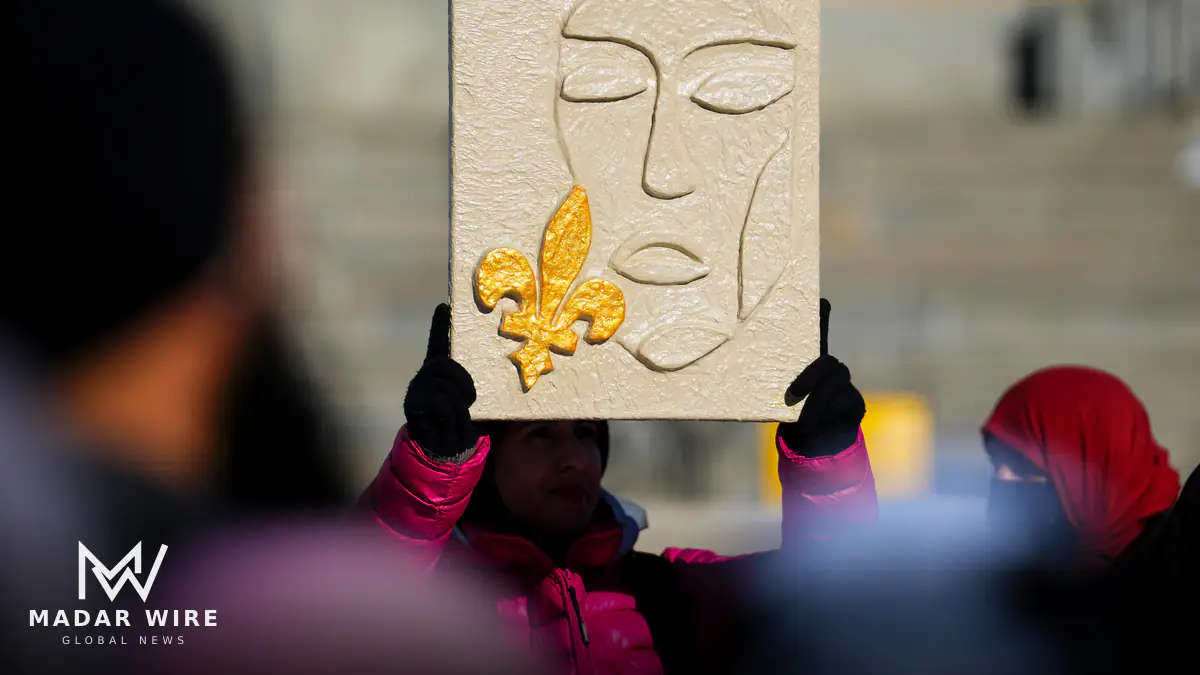
Quebec is on high alert as the Supreme Court of Canada prepares to deliver a landmark judgment on Bill 21, the province’s controversial secularism law. The decision, long anticipated by legal experts and political observers, could fundamentally alter the constitutional landscape in Canada. According to The Globe and Mail, the ruling has the potential to restrict the use of the notwithstanding clause, a power that has historically allowed provinces to override certain Charter rights.
The stakes are high for the province, which has defended the law as a necessary measure to protect secular values in public institutions. Bill 21 requires employees in positions of authority, such as teachers and police officers, to refrain from wearing visible religious symbols while on duty. Critics, however, argue that the law disproportionately affects women and violates fundamental freedoms of conscience and religion.
Constitutional Implications and the Notwithstanding Clause
The core of the legal battle centers on whether the federal government can limit the scope of the notwithstanding clause, Section 33 of the Charter. If the Supreme Court rules that the clause cannot be used to justify Bill 21, it would mark a significant shift in Canadian constitutional law. This outcome could weaken the tool that Quebec has relied upon to assert its distinct character and legislative autonomy in previous disputes with Ottawa.
Legal analysts suggest that such a ruling would not only affect the current law but also set a precedent for future conflicts between provincial legislatures and the federal Charter. The Globe and Mail notes that this decision could upend the province’s political strategy, forcing the government to seek new legal avenues or negotiate with the federal government to preserve its policy goals.
Political Fallout and National Unity
Politically, the outcome is poised to strain national unity. For many Quebecers, Bill 21 is a symbol of the province’s right to define its own identity. A loss in court could be interpreted as an overreach by the federal judiciary, potentially fueling separatist sentiments or deepening the divide between Quebec and the rest of Canada.
Conversely, supporters of the ruling view it as a necessary defense of individual rights and equality. The decision will likely spark intense debate in the House of Commons and provincial legislatures, with parties on both sides of the aisle preparing to capitalize on the result. As the court prepares to issue its verdict, the atmosphere in Quebec remains tense, with civic groups and political leaders closely monitoring the developments.
The judgment is expected to provide clarity on the boundaries of provincial power in a multicultural society. Regardless of the outcome, the case will remain a defining moment in the ongoing dialogue about the role of religion in public life and the limits of legislative authority in Canada.