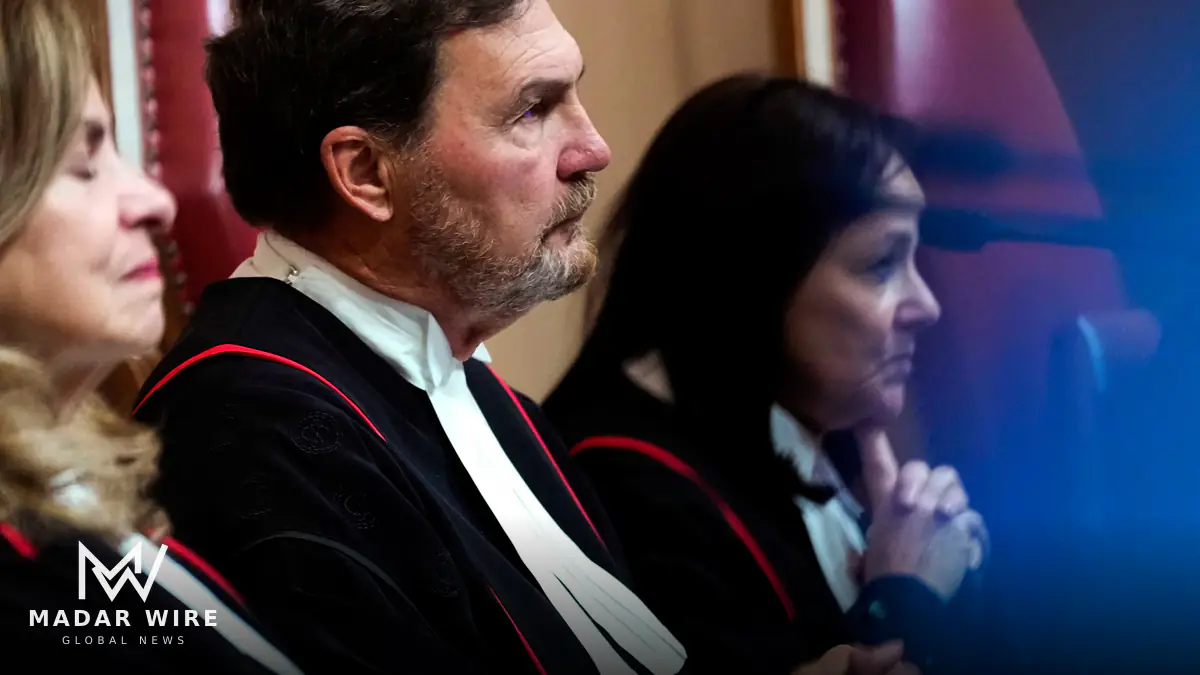
The Supreme Court of Canada is preparing to release a highly anticipated decision regarding Quebec’s Bill 21, a law that has sparked intense national debate over religious freedom and provincial jurisdiction. According to reporting from The Globe and Mail, the upcoming ruling will serve as a definitive test of the limits of political power under the Canadian Charter of Rights and Freedoms.
Bill 21, which prohibits public servants in positions of authority—including teachers, police officers, and judges—from wearing religious symbols, has been a flashpoint for constitutional tension since its inception. The court’s intervention comes at a turbulent time, as legal scholars and civil rights advocates watch to see how the judiciary interprets the use of the notwithstanding clause in this context.
The notwithstanding clause in focus
At the heart of the legal challenge is the Quebec government’s use of Section 33 of the Charter, commonly known as the notwithstanding clause. This provision allows provinces to temporarily override certain Charter rights, a mechanism that critics argue undermines the fundamental protections guaranteed to all Canadians. The Globe and Mail notes that the court must now determine if there are implicit limits to how this power is applied when it intersects with established human rights protections.
The ruling is expected to provide clarity on whether provincial legislatures have an unfettered right to bypass constitutional scrutiny. For many, this case represents a pivotal moment for Canadian federalism, as it pits the principle of provincial autonomy against the uniform application of the Charter across the country.
Implications for Canadian constitutional law
Legal observers expect the decision to have long-lasting consequences for how future legislation is drafted and challenged in court. By addressing the scope of the notwithstanding clause, the Supreme Court is effectively setting the rules of engagement for future conflicts between provincial laws and individual rights.
As the legal community awaits the final judgment, the atmosphere in Ottawa and Quebec City remains tense. The outcome will likely influence not only the future of Bill 21 but also the broader political discourse surrounding the role of the judiciary in a democratic society. The Globe and Mail emphasizes that this ruling will be studied for years as a benchmark for constitutional interpretation in Canada.