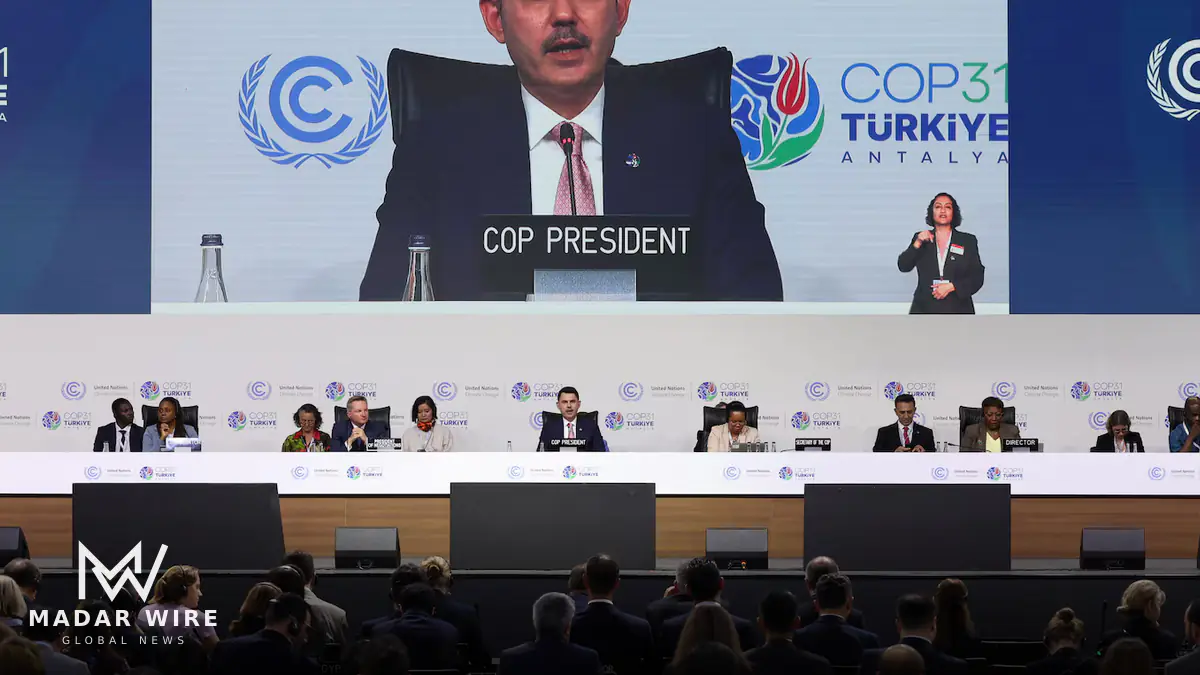
The recent conclusion of the UN Climate Change Conference (COP) has sparked a contentious debate regarding the efficacy of international diplomatic frameworks. In a notable editorial, the Financial Times Global posits that the summit's apparent failure to secure new, binding commitments was, paradoxically, a necessary development for the global climate agenda. This perspective challenges the prevailing narrative that every summit must yield tangible treaty language to be considered a success.
Deconstructing the Diplomatic Stalemate
According to the Financial Times, the inability to reach consensus on specific emission reduction targets reveals deep-seated structural issues within the COP process. The publication argues that the pressure to produce optimistic headlines has often overshadowed the need for rigorous, enforceable mechanisms. By failing to agree on a unified path, the summit inadvertently exposed the limits of voluntary national pledges in the face of accelerating climate risks. This transparency, while uncomfortable, is viewed by the FT as a corrective measure against diplomatic complacency.
Analysts cited in the report suggest that the lack of a definitive outcome forces governments to confront the reality that current policies are insufficient. The editorial notes that the 'failure' serves as a wake-up call, shifting the focus from ceremonial agreements to the urgent need for domestic policy overhauls. This shift in perspective marks a significant departure from previous summits, where the mere occurrence of the event was often treated as a victory in itself.
Implications for Future Climate Governance
The Financial Times emphasizes that this moment of diplomatic stagnation could catalyze a more pragmatic approach to climate finance and technology transfer. Without the shield of a new global treaty, individual nations and private sectors may be compelled to take more aggressive, independent actions. The article highlights that investors and regulatory bodies are increasingly looking beyond COP outcomes to assess climate risk, creating a market-driven incentive for stricter standards.
However, this interpretation is not without criticism. Environmental groups argue that framing failure as a positive reset risks normalizing inaction. They contend that the window for effective mitigation is closing rapidly, and that diplomatic ambiguity only emboldens fossil fuel interests. Despite these counterarguments, the Financial Times maintains that the current impasse is a necessary step toward building a more resilient and honest international climate framework. The editorial concludes that the path forward requires abandoning the illusion of global unanimity in favor of robust, regionally tailored strategies that can withstand political volatility.