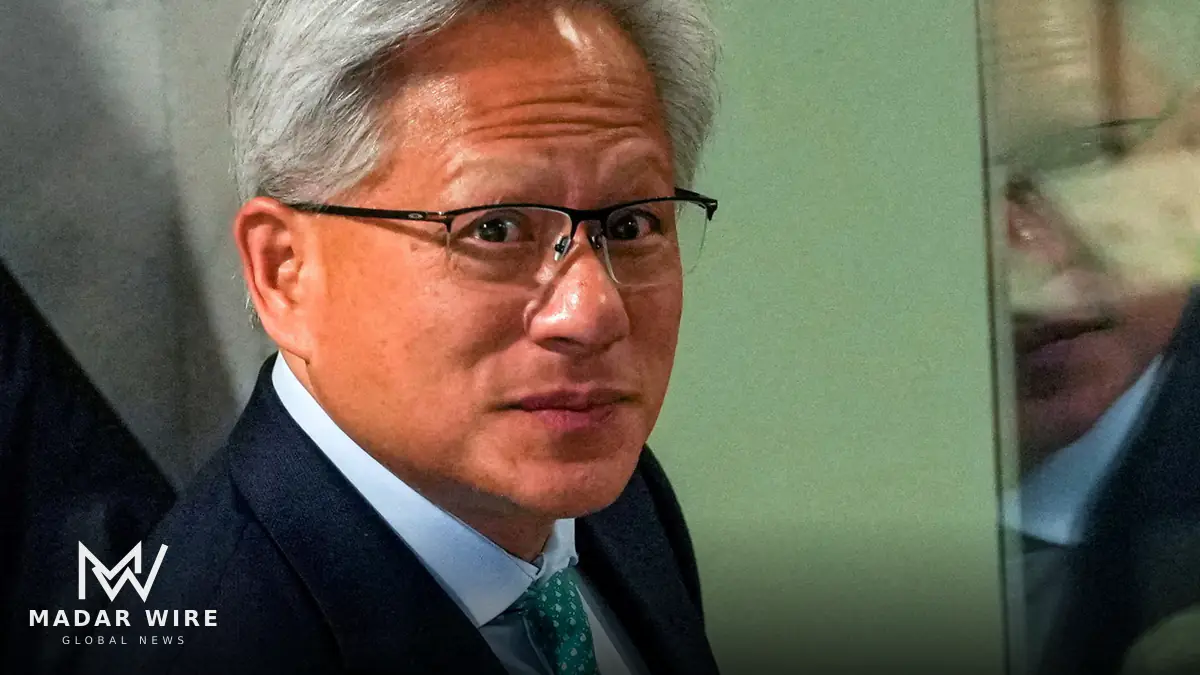
Nvidia’s board of directors has formally reinstated Jensen Huang as Chief Executive Officer, marking a decisive end to a brief period of leadership uncertainty. According to France 24 International, the board voted unanimously to return Huang to the top spot, citing his indispensable role in the company's strategic direction.
The reinstatement follows a short interim period during which Huang’s duties were partially delegated. However, the board determined that his direct oversight was essential for navigating the complex landscape of the global semiconductor industry. This decision reinforces the internal consensus that Huang remains the central figure driving Nvidia’s innovation and market dominance.
Political Endorsement and Market Implications
The corporate maneuver quickly attracted high-level political attention. US President Donald Trump publicly hailed the board's decision, describing it as the 'correct' move for the American technology sector. Trump’s endorsement underscores the significant geopolitical and economic weight Nvidia carries, particularly in the context of US-China tech competition and domestic AI infrastructure development.
Market analysts suggest that this stability is crucial for investor confidence. Nvidia has been at the forefront of the artificial intelligence boom, and any leadership ambiguity could have triggered volatility in its stock price. By swiftly resolving the leadership question, the board aims to project strength and continuity to shareholders and partners alike.
Strategic Focus on AI Leadership
With Huang back in the driver’s seat, Nvidia is expected to accelerate its roadmap for next-generation AI chips. The company’s hardware is currently the backbone of many major AI models, making its leadership stability a key factor for tech giants relying on its infrastructure. France 24 International notes that the board emphasized Huang’s unique ability to bridge technical innovation with business strategy.
The reinstatement also signals a broader commitment to maintaining Nvidia’s aggressive pace of product development. As competitors ramp up their own AI chip efforts, Nvidia must maintain its technological edge. Huang’s return ensures that the company’s resources remain focused on high-priority R&D initiatives without the distraction of transitional management.
Observers are now watching for any immediate changes in Nvidia’s public communications or product announcements. The swift resolution of this leadership issue is seen as a positive signal for the broader tech industry, which has been grappling with rapid technological shifts and regulatory scrutiny. The board’s action effectively closes a chapter of uncertainty, allowing Nvidia to refire its full attention on its core mission of powering the future of computing.