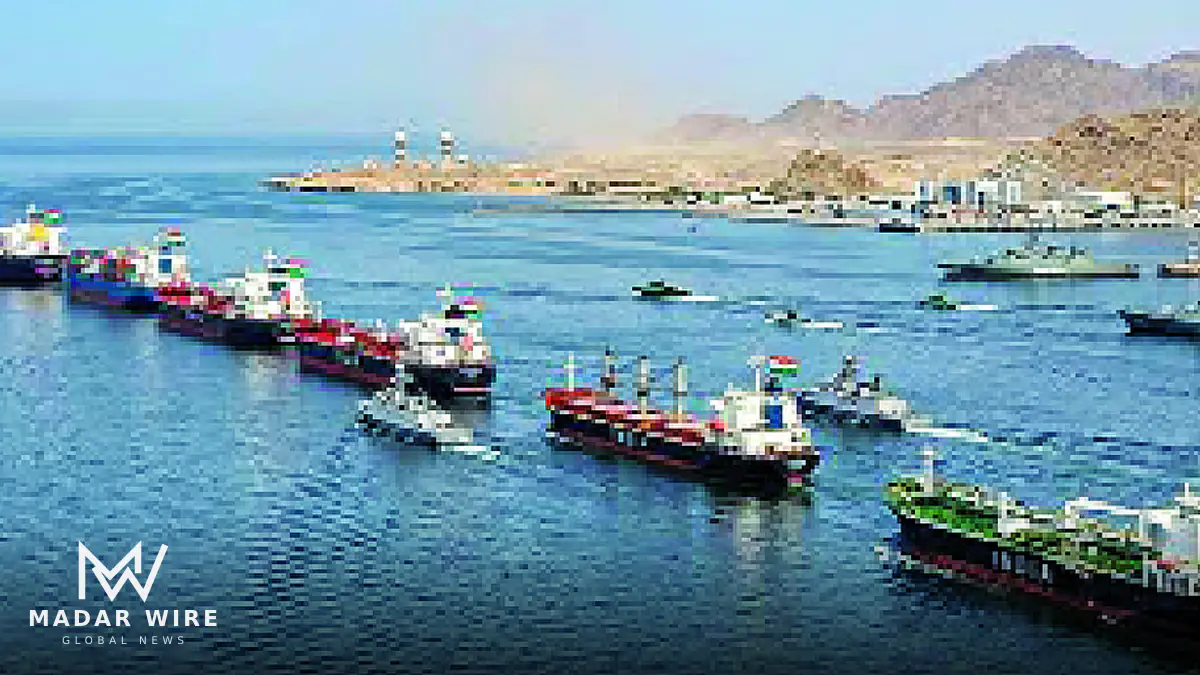
Global trade and energy markets are undergoing a profound structural shift due to escalating maritime conflicts. According to Global Markets & Trade, these geopolitical tensions are no longer isolated incidents but are systematically reshaping the logistics of international commerce. The disruption is forcing major economies to rethink their reliance on traditional shipping lanes, leading to immediate economic repercussions.
Supply Chain Disruptions and Cost Inflation
The primary impact is visible in the shipping sector, where vessel rerouting has become a necessity rather than a choice. Global Markets & Trade reports that ships avoiding conflict zones are taking significantly longer routes, which directly increases fuel consumption and transit times. This logistical bottleneck has resulted in a sharp rise in freight rates and marine insurance premiums, costs that are rapidly cascading down to consumer prices in import-dependent nations.
Port congestion has also intensified as vessels cluster in safe harbors or wait for clearance to proceed. This stagnation creates a ripple effect across manufacturing sectors, particularly in automotive and electronics, where just-in-time delivery models are failing. Companies are now stockpiling inventory to buffer against future disruptions, tying up capital that would otherwise be invested in growth.
Energy Security and Market Volatility
The energy sector is bearing the brunt of these maritime shifts. Key oil and gas export routes are under threat, prompting producers and buyers to seek alternative suppliers or transport methods. Global Markets & Trade notes that the uncertainty surrounding the safety of these critical arteries is driving up the risk premium on energy commodities. As a result, global energy prices have exhibited heightened volatility, complicating inflation control efforts for central banks worldwide.
Furthermore, the conflict is accelerating the diversification of energy sources. Nations are accelerating investments in renewable energy and domestic production to reduce their exposure to maritime chokepoints. This strategic pivot, while long-term beneficial for energy security, adds short-term pressure to global markets as capital flows shift away from traditional fossil fuel infrastructure.
Analysts suggest that the era of frictionless global trade is ending, replaced by a more fragmented and security-focused system. Governments are increasingly intervening in logistics to ensure national resilience, signaling a new era of economic statecraft. The full extent of these changes will depend on the duration of the conflicts, but the immediate impact on global markets is undeniable and severe.