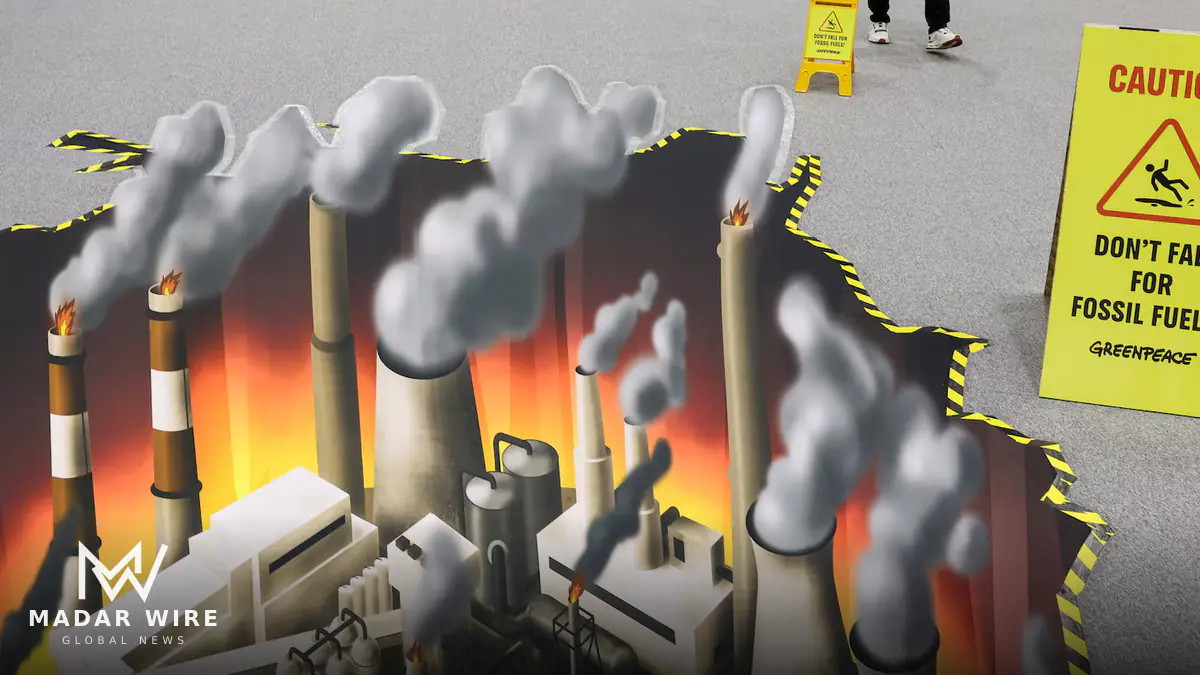
Antalya, Turkey — Negotiations at the COP31 United Nations climate conference have ground to a halt after the final draft of the agreement failed to mention fossil fuels. The omission has triggered a bitter clash among delegates, leaving the summit in jeopardy just days before its scheduled conclusion. According to reports from US Top News - Google, the lack of specific language on reducing fossil fuel use has derailed what was expected to be a landmark deal.
The confusion erupted as delegates reviewed the final text, which many described as a significant step backward from previous agreements. Key nations, including those representing major economies, expressed deep dissatisfaction with the document. The absence of a clear commitment to phase down fossil fuels has been cited as the primary reason for the current diplomatic standoff.
Diplomatic Fractures and Rejection
Senior officials have indicated that the deal is not approved in its current form. The United States and other major stakeholders have signaled their refusal to sign a document that lacks robust mechanisms for addressing the root cause of climate change. This rejection highlights a growing divide between nations demanding actionable climate policies and those resistant to binding commitments on energy transitions.
The situation has created an air of uncertainty at the Antalya venue. Delegates from developing nations, who have long advocated for stronger fossil fuel language, are particularly vocal in their opposition. They argue that without explicit references to fossil fuels, the agreement fails to address the urgent need for a transition to cleaner energy sources. The diplomatic tension has intensified, with several countries threatening to walk out if the text is not amended.
Economic Reality vs. Diplomatic Stalemate
While the diplomatic track faces a crisis, the economic reality on the ground tells a different story. Business leaders and industry analysts note that the private sector has already moved on from the political impasse. Investments in electrification, renewable energy, and sustainable infrastructure continue to grow, driven by market forces rather than treaty obligations.
Forbes and other industry outlets report that companies are accelerating their transition to clean energy regardless of the outcome of COP31. This divergence between political negotiation and corporate action underscores the complexity of global climate governance. As the talks continue, the focus remains on whether delegates can bridge the gap and produce a text that satisfies both political and environmental imperatives.
The next 48 hours are critical for the survival of the COP31 process. Without a breakthrough, the summit risks ending without a binding agreement, potentially setting back global climate efforts for years. Observers are watching closely to see if a last-minute compromise can be reached to salvage the conference.