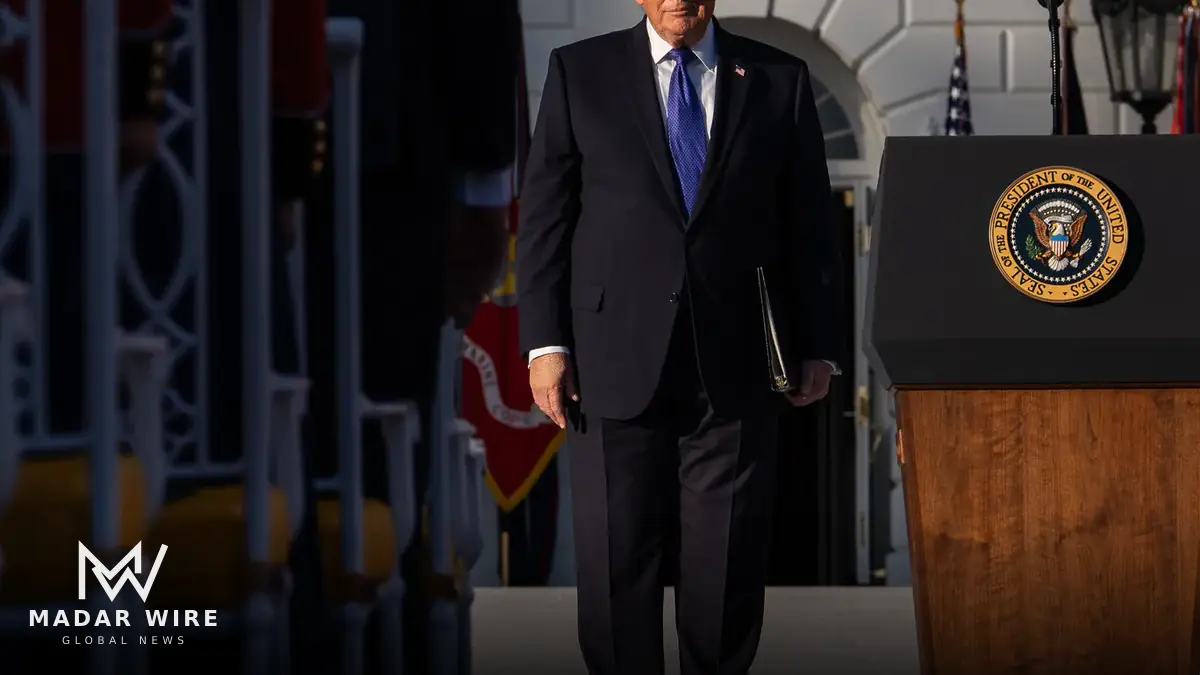
President Donald Trump has directed a concerted effort to assist Jensen Huang in regaining his previous position, two people familiar with the matter told The New York Times. The intervention marks a significant step in the President’s engagement with corporate leadership at one of the world’s most valuable technology companies.
The sources indicated that the President decided he wanted to do whatever was within his power to help Huang secure his old job back. This directive suggests a direct line of communication or influence between the White House and the executive team at Nvidia, a company central to the global AI infrastructure.
White House Intervention in Corporate Leadership
While the specific mechanisms of this effort were not detailed by the sources, the confirmation of the President’s intent underscores the political weight now attached to executive roles in the tech sector. Huang, who has been a key figure in the semiconductor industry, faces a complex landscape where government relations can significantly impact market perception and operational stability.
Observers note that such high-level involvement is unusual for a sitting president regarding a private sector CEO’s employment status. The move may reflect broader strategic interests in maintaining stability within the U.S. technology sector, particularly as Nvidia plays a pivotal role in national security and economic competitiveness.
Implications for Nvidia and Tech Sector
Nvidia has not immediately commented on the reports. The company has maintained a focus on its product roadmap and financial performance, which have driven its stock to record highs in recent months. Any disruption to its leadership structure could have immediate implications for investor confidence and ongoing government contracts.
The New York Times reported that the President’s decision was driven by a personal desire to support Huang. This narrative adds a layer of political complexity to what is typically a corporate governance matter. Analysts are watching closely to see if this directive leads to tangible changes in Huang’s role or if it remains a symbolic gesture of support.
As the story develops, it highlights the increasing intersection of political authority and corporate governance in the United States. The outcome of these efforts could set a precedent for how future administrations interact with the leadership of major technology firms.