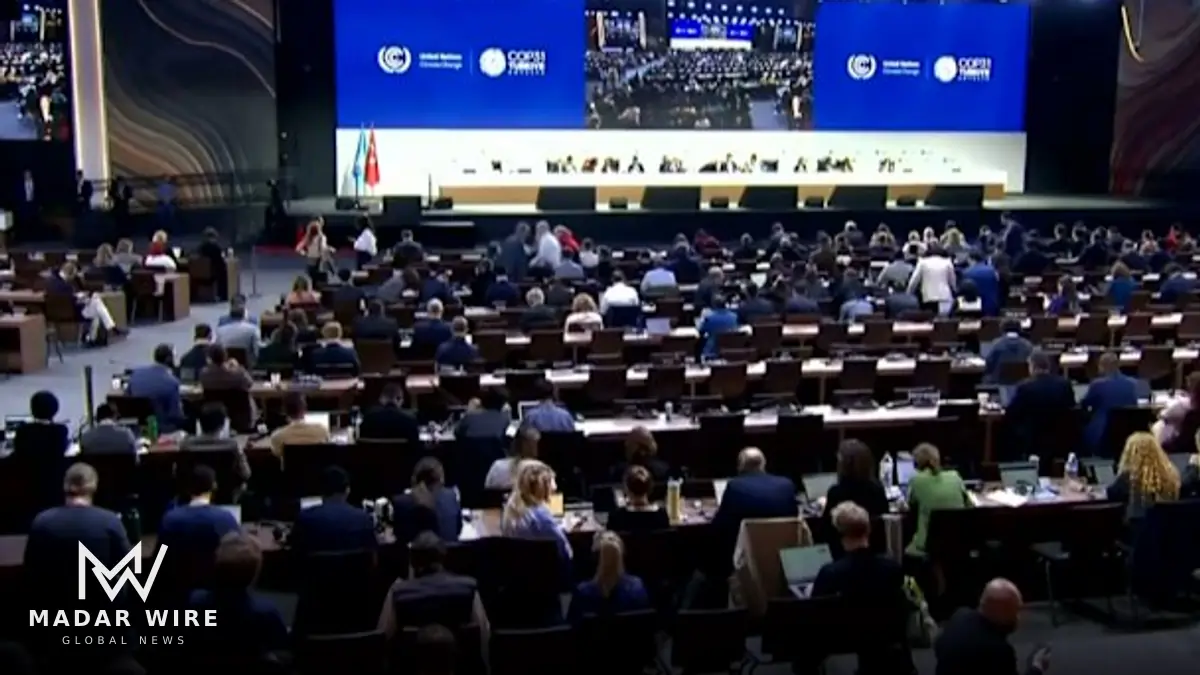
The COP31 climate conference has concluded in Turkey without reaching a binding agreement, marking a significant setback for global climate diplomacy. According to reports from the Sydney Morning Herald - National, delegates failed to bridge the gap between developed and developing nations on key issues such as emission targets and financial support.
Negotiations stall over core issues
The two-week summit, hosted in Turkey, saw intense negotiations that ultimately failed to produce a consensus document. The primary points of contention included the pace of fossil fuel phase-out and the allocation of climate finance for vulnerable countries. Many smaller island states and developing nations expressed frustration, arguing that the proposed frameworks did not go far enough to address the immediate threats posed by rising sea levels and extreme weather events.
Key figures from the Australian delegation noted the complexity of balancing economic interests with environmental imperatives. While Australia has historically supported robust climate action, the lack of a unified global stance complicates domestic policy implementation. The Sydney Morning Herald - National highlights that this outcome reflects broader geopolitical tensions that have increasingly influenced international environmental talks.
Implications for Australia and the world
The absence of a definitive agreement leaves many questions unanswered regarding future compliance mechanisms and accountability measures. For Australia, this outcome may intensify domestic debates over energy transition strategies and renewable energy investments. Industry leaders and environmental groups are expected to respond to the conference's failure, potentially influencing upcoming state and federal elections.
Experts warn that the delay in reaching a global consensus could hinder progress on critical climate goals, including the Paris Agreement targets. The next scheduled climate conference will likely face even greater pressure to deliver tangible results. As the world grapples with the escalating impacts of climate change, the failure of COP31 underscores the urgent need for renewed diplomatic efforts and stronger international cooperation.