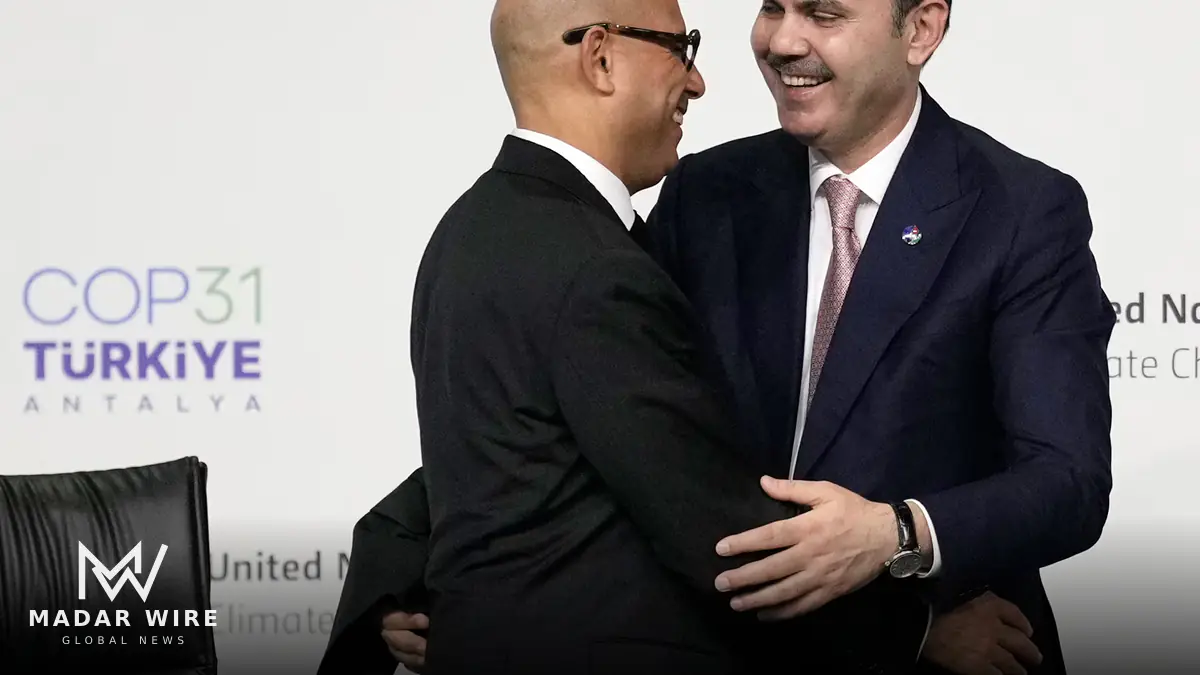
International climate negotiations in Turkey concluded on Friday without reaching a consensus, marking a significant setback for global environmental diplomacy. After two weeks of intense discussions, delegates from over 190 countries failed to bridge the gap on critical issues, leaving the conference without a formal agreement.
According to reporting by NPR US News, the atmosphere at the venue shifted from hopeful to tense as the final days approached. The breakdown in talks highlights the persistent difficulties in aligning the interests of developed and developing nations regarding climate finance and emission reduction commitments.
Stalled Progress on Key Issues
Core points of contention included the scale of financial support for vulnerable nations and the pace of transitioning away from fossil fuels. Developing countries argued that the proposed funding packages were insufficient to cover the costs of adaptation and mitigation, while industrialized nations pushed for stricter accountability mechanisms.
NPR correspondent Rachel Waldholz, who covered the event from Turkey, noted that the silence in the plenary hall during the final session was palpable. "The energy that had built over the fortnight dissipated quickly once it became clear that a text could not be agreed upon," Waldholz observed. The lack of a unified statement means that many of the specific targets discussed remain aspirational rather than binding.
Diplomats from several key blocs expressed frustration with the lack of progress, suggesting that the current framework for negotiations may need substantial revision. The failure to secure a deal leaves a void in the immediate post-conference period, with no clear roadmap for the next phase of global climate action.
Implications for Future Negotiations
The collapse of these talks sends a cautionary signal to the international community. Climate scientists have long warned that every fraction of a degree of warming matters, and the delay in securing robust agreements exacerbates the urgency of the crisis.
Despite the immediate disappointment, some officials maintained that the dialogue itself was valuable for identifying sticking points. However, critics argue that without concrete deliverables, the conference risks becoming a symbol of diplomatic inertia rather than a catalyst for change.
As delegates departed Turkey, the focus now shifts to bilateral meetings and regional coalitions that may attempt to fill the gaps left by the multilateral failure. The coming months will be critical in determining whether this stalemate is a temporary pause or a permanent fracture in global climate cooperation.