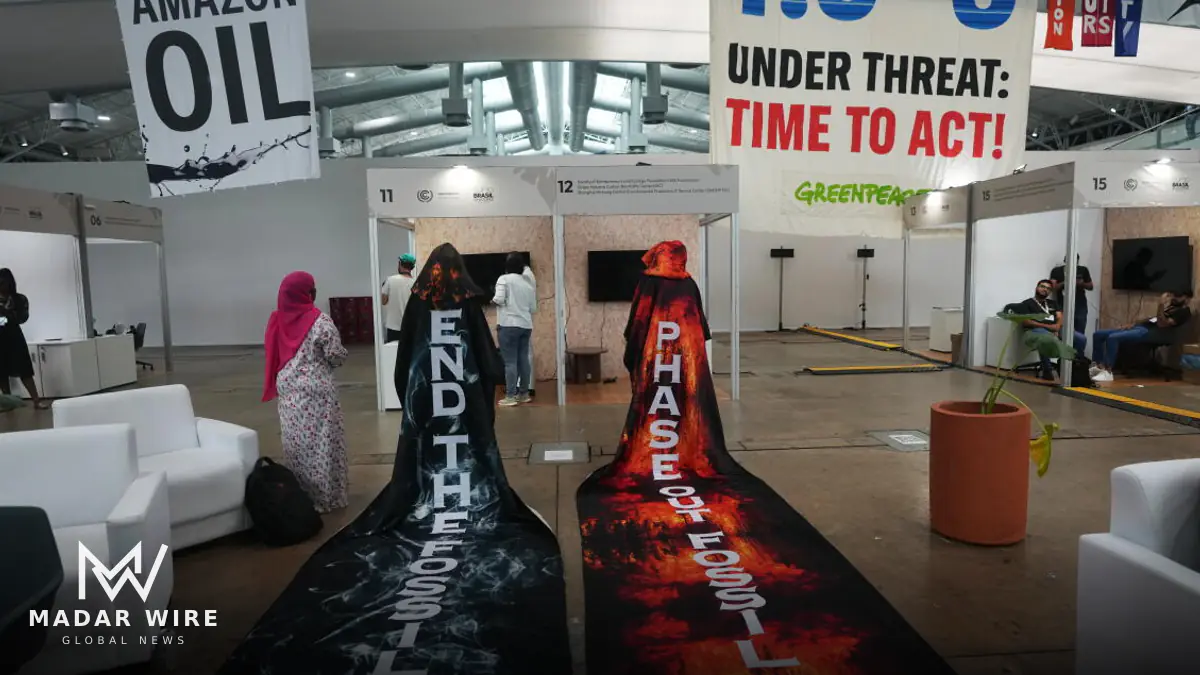
International climate negotiations have officially collapsed following a prolonged standoff over the handling of fossil fuels, according to the Financial Times. The breakdown marks a significant setback in global efforts to coordinate a response to the climate crisis, leaving delegates without a unified framework for future energy policy.
Irreconcilable Dispute on Energy Transition
The core of the conflict centered on the specific language and timelines for phasing out coal, oil, and gas. Developing nations argued that immediate and binding restrictions would hinder their economic growth and energy security. Conversely, developed nations and environmental advocates insisted that vague commitments were insufficient to meet the Paris Agreement targets.
As reported by the Financial Times, the inability to bridge this gap resulted in the termination of the working group sessions. Key mediators attempted to find a compromise that would allow for a 'just transition,' but the fundamental disagreement on liability and timing proved insurmountable in the current session.
Implications for Global Climate Policy
The failure of these talks sends a stark warning to the international community. Without a clear pathway for reducing fossil fuel dependency, the global temperature targets established in recent years are at risk. Analysts note that this impasse may force a re-evaluation of how climate finance is distributed to support renewable energy infrastructure in the Global South.
Furthermore, the collapse undermines the momentum built by previous diplomatic efforts. Stakeholders now face the prospect of fragmented national policies rather than a coordinated global strategy. The Financial Times highlights that this outcome reflects the deepening geopolitical tensions surrounding energy independence and climate responsibility.
As the session concludes without a consensus, attention turns to whether alternative forums can pick up the slack. For now, the diplomatic silence on fossil fuel phase-outs leaves a critical gap in the global climate architecture, potentially delaying crucial emissions reductions for years to come.