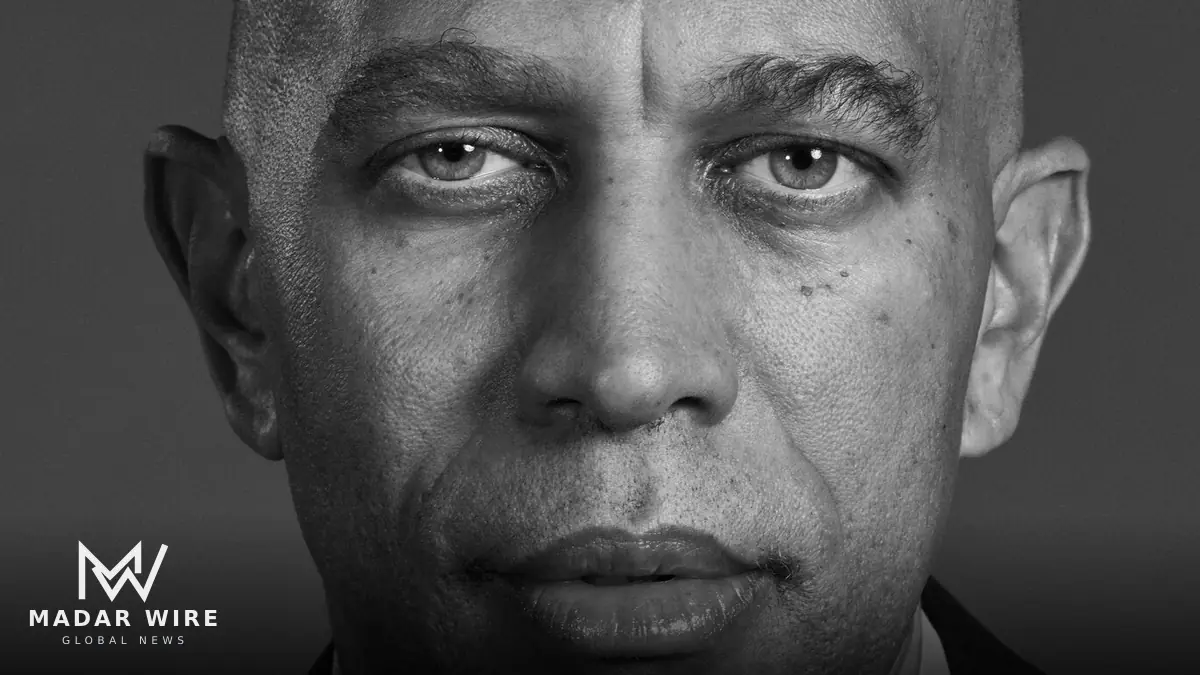
House Minority Leader Hakeem Jeffries is positioning himself as the central figure for the Democratic Party’s future, articulating a clear vision for his potential speakership. In a recent interview with NYT - Politics, Jeffries addressed the complexities of leading a caucus tasked with navigating a polarized political landscape.
The Brooklyn Democrat emphasized that his approach to oversight and potential investigations into former President Donald Trump would be rooted in institutional integrity rather than political retribution. Jeffries signaled that any legislative inquiry would be handled with methodical precision, prioritizing the rule of law over partisan theater.
Navigating Party Leadership and Strategy
Regarding the broader Democratic hierarchy, Jeffries addressed speculation surrounding the future of Senate Majority Leader Chuck Schumer. He expressed a commitment to maintaining a unified front, suggesting that the party's success depends on seamless coordination between the House and Senate chambers. By reinforcing his alignment with Schumer, Jeffries aims to project stability to voters ahead of upcoming election cycles.
The discussion also touched upon the limits of bipartisan engagement. When asked about the possibility of sitting down with figures like Stephen Miller, a primary architect of the Trump administration’s immigration policies, Jeffries remained firm. He indicated that his willingness to engage is contingent upon a shared commitment to democratic norms, effectively drawing a line in the sand against those he views as antithetical to his party’s core values.
The Path Forward for House Democrats
As Jeffries prepares for the challenges of the next session, his focus remains on building a legislative agenda that resonates with a broad coalition of voters. He is actively working to consolidate support within his caucus, balancing the demands of the progressive wing with the pragmatic needs of moderate members.
The NYT - Politics report highlights that Jeffries views this moment as a critical juncture for the Democratic Party. By projecting a calm, measured demeanor, he seeks to contrast his leadership style with the volatility currently defining much of the national political discourse. Whether this strategy will be enough to secure the speaker’s gavel remains the central question for the upcoming congressional term.