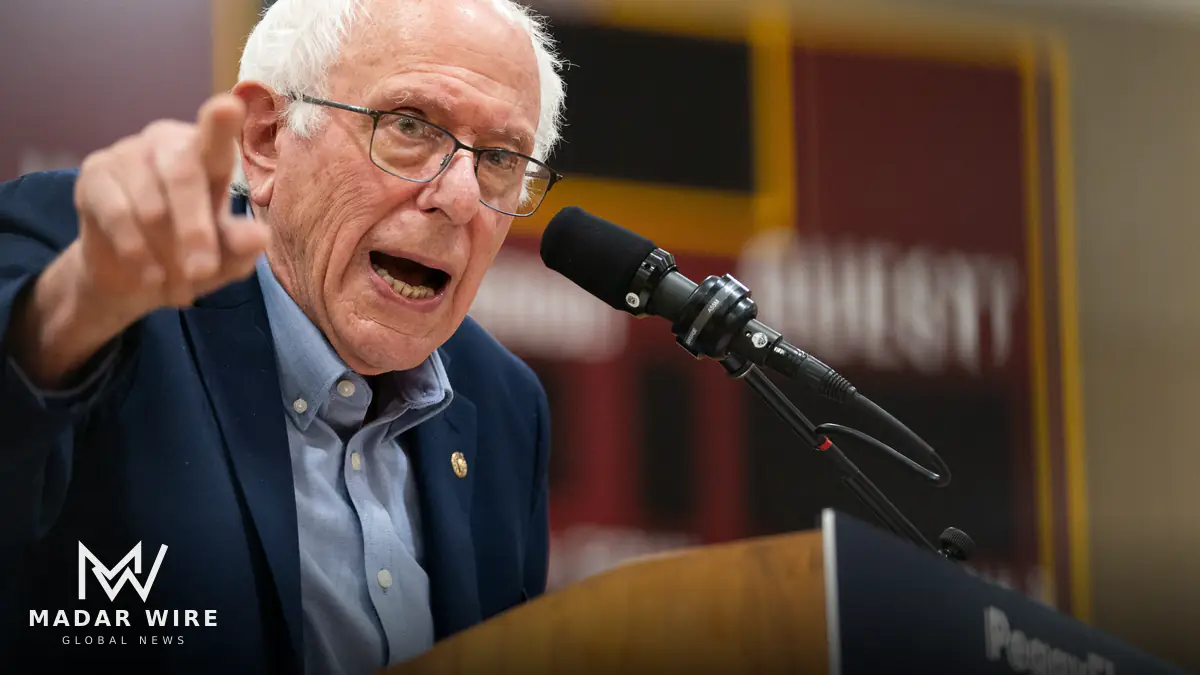
Medicare for All is back on the legislative agenda as newly elected Democratic senators push for single-payer healthcare reform. According to NPR National Headlines, several of these lawmakers campaigned explicitly on this platform, signaling a renewed effort to overhaul the U.S. healthcare system. However, the path to enactment remains fraught with procedural and political obstacles.
Legislative Hurdles Remain High
While the political momentum appears stronger than in previous cycles, structural barriers persist. Passing a comprehensive single-payer bill requires a supermajority to overcome a filibuster in the Senate, a threshold that remains difficult to reach. Many senators, even those aligned with progressive values, have expressed caution regarding the fiscal implications and implementation logistics of such a sweeping change.
Experts note that the complexity of replacing existing insurance structures with a government-run system creates significant administrative challenges. These concerns often temper the enthusiasm seen during campaign seasons, leading to a more measured approach in the actual legislative process. The debate centers not just on ideology, but on the practical mechanics of funding and delivery.
Political Dynamics and Public Opinion
The resurgence of this topic reflects shifting public sentiment regarding healthcare costs and access. As inflation pressures household budgets, the appeal of a system that eliminates out-of-pocket costs for many Americans grows. Yet, opposition remains firm among those who favor market-based solutions and fear increased taxes or reduced provider participation.
NPR National Headlines reports that while the idea has gained traction in primary elections, general election dynamics often favor more moderate positions. This creates a tension between the base demands of progressive voters and the broader coalition needed to pass major legislation. The coming months will test whether this new cohort of senators can bridge that gap.
For now, Medicare for All remains a central talking point rather than a near-term policy reality. The focus shifts to whether these new legislators can build the necessary bipartisan or intra-party consensus to move the bill forward. Until then, the status quo of a mixed public-private healthcare system is likely to endure.