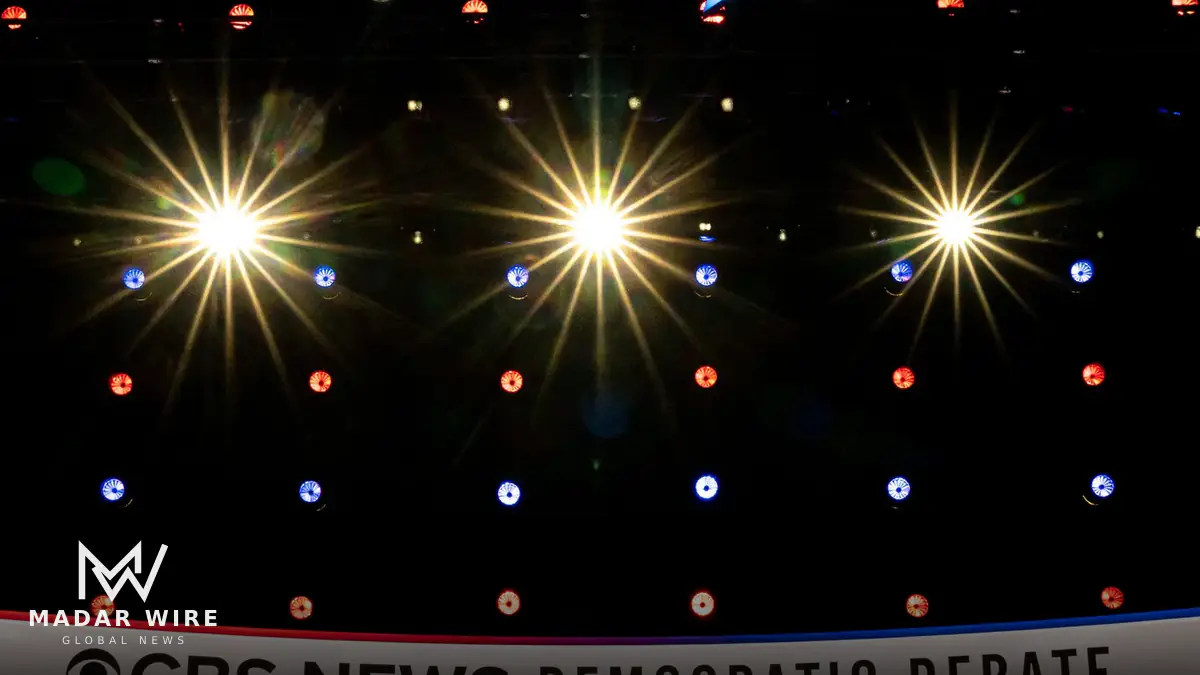
The Democratic National Committee (DNC) has officially outlined its roadmap for the 2028 presidential primary season, announcing a schedule of 12 debates. According to reporting from NYT - US News, the party intends to kick off the series in June, setting an early pace for potential contenders looking to secure the nomination.
This structured approach aims to provide a clear platform for candidates while maintaining party cohesion. By establishing the debate schedule years in advance, the DNC is attempting to avoid the chaotic primary dynamics that have occasionally disrupted party unity in previous election cycles.
New Transparency Requirements
A significant development in the DNC's announcement involves new eligibility criteria for participants. Candidates seeking to take the stage must formally pledge to denounce financial support from outside groups that operate without disclosing their donors, commonly referred to as "dark money" organizations.
This policy reflects a broader push within the party to curb the influence of undisclosed corporate and special interest spending in federal elections. By requiring this commitment, the DNC is positioning itself to emphasize campaign finance reform as a central theme of the upcoming primary season.
Strategic Implications for 2028
The decision to hold 12 debates suggests that the party leadership is prioritizing high visibility for its candidates early in the process. While the full list of debate locations and specific dates remains forthcoming, the framework provides a baseline for how the DNC plans to manage the field.
Political analysts note that these early rules serve as a filter for the primary field. By setting strict participation standards, the DNC is signaling that it intends to exercise more control over the vetting process, ensuring that all candidates align with the party's current stance on transparency and fundraising ethics.