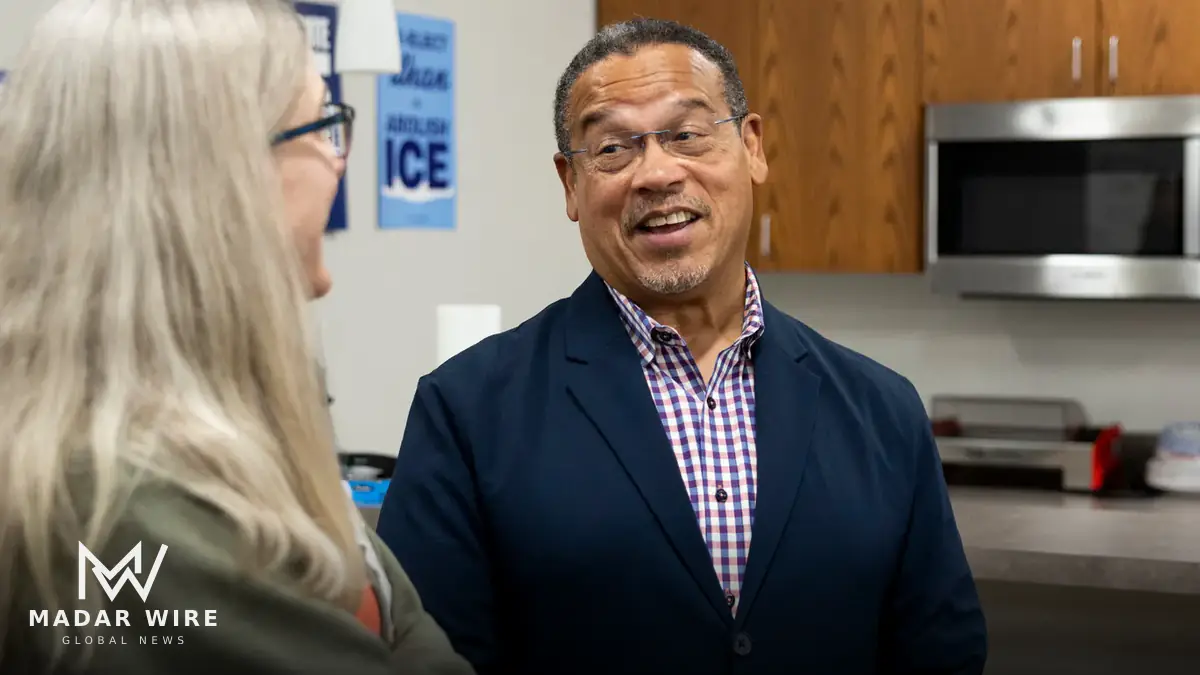
Democratic candidates for state attorney general secured a series of decisive victories on Tuesday, defying earlier projections that suggested the party remained vulnerable in local contests. The results, which saw Democrats unseat Republican incumbents in critical battlegrounds, mark a significant shift in the legal and political landscape of several states.
According to reporting from NYT - US News, the final contests in Kansas and Ohio were called in favor of Democratic challengers. These wins effectively consolidate the party’s influence over state-level legal enforcement and policy implementation, areas that have become increasingly central to national political debates.
Shifting Power in State Legal Offices
The outcomes in Kansas and Ohio were particularly notable, as both states were previously considered strongholds for Republican legal leadership. Analysts suggest that the Democratic surge reflects a broader trend of voters prioritizing the specific policy agendas of state attorneys general, who have increasingly become the primary architects of litigation regarding reproductive rights, environmental regulations, and voting access.
By securing these positions, Democratic officials are now positioned to challenge federal policies and influence state statutes from a position of newfound authority. The victories represent a strategic success for the party, which has invested heavily in down-ballot races to counter Republican influence in state courts and legislative halls.
National Implications of Local Results
The success of Democratic candidates in these contests provides a clear indicator of the party's organizational strength in local elections. While national headlines often focus on federal legislative races, the shift in state attorney general offices carries long-term consequences for how laws are interpreted and enforced across the country.
NYT - US News reports indicate that these victories were driven by high turnout and a focused campaign strategy that emphasized the practical impact of the attorney general’s office on daily life. As these new officials prepare to take office, the focus will likely shift to how they utilize their legal mandates to pursue their respective party platforms in the coming term.