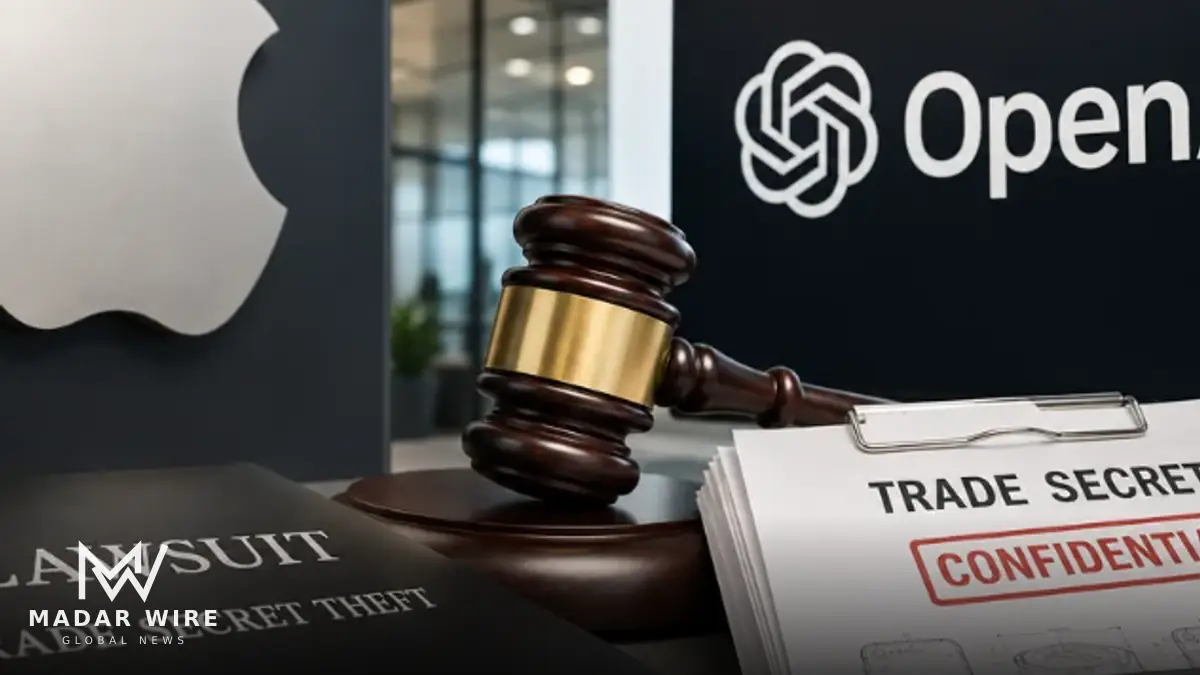
San Francisco — OpenAI has launched a countersuit against Apple Inc., accusing the tech giant of stealing proprietary artificial intelligence technology and violating confidentiality agreements, according to legal documents filed in a California court.
The lawsuit, filed in the U.S. District Court for the Northern District of California, marks a sharp escalation in tensions between two of the world’s most valuable companies. OpenAI alleges Apple employees accessed and copied sensitive AI research, including models and algorithms developed under strict non-disclosure protocols.
Key Allegations and Legal Claims
OpenAI’s complaint, reviewed by Reuters UK, details claims that Apple’s internal AI projects—particularly those related to large language models—directly mirror proprietary techniques and architectures developed by OpenAI. The lawsuit cites specific instances where Apple employees allegedly shared confidential documents and code with third parties, including competitors.
The tech firm also accuses Apple of breaching a 2020 confidentiality agreement, which reportedly restricted Apple’s access to OpenAI’s research. OpenAI’s legal team argues that Apple’s actions constitute trade secret theft, a claim that carries significant financial and reputational consequences for both companies.
Industry Impact and Precedent
Legal analysts suggest the case could redefine how tech firms protect intellectual property in an era of rapid AI innovation. “This isn’t just about one-off breaches—it’s about systemic access to proprietary knowledge,” said Michael Weinberg, a partner at the law firm Orrick, Herrington & Sutcliffe, who specialises in tech litigation. “If Apple is found liable, it could force other companies to re-evaluate their partnerships and data-sharing practices.”
Apple has not yet responded to OpenAI’s claims, but the company has a history of defending its proprietary technologies. In 2021, Apple successfully sued a former employee for stealing trade secrets related to its M1 chip technology. The outcome of this case will be closely watched by investors and rivals alike.
Reuters UK reported that the lawsuit follows months of speculation about Apple’s internal AI ambitions, including its rumoured collaboration with Microsoft on cloud-based AI services. OpenAI’s countersuit underscores the high stakes in a sector where innovation often outpaces legal safeguards.