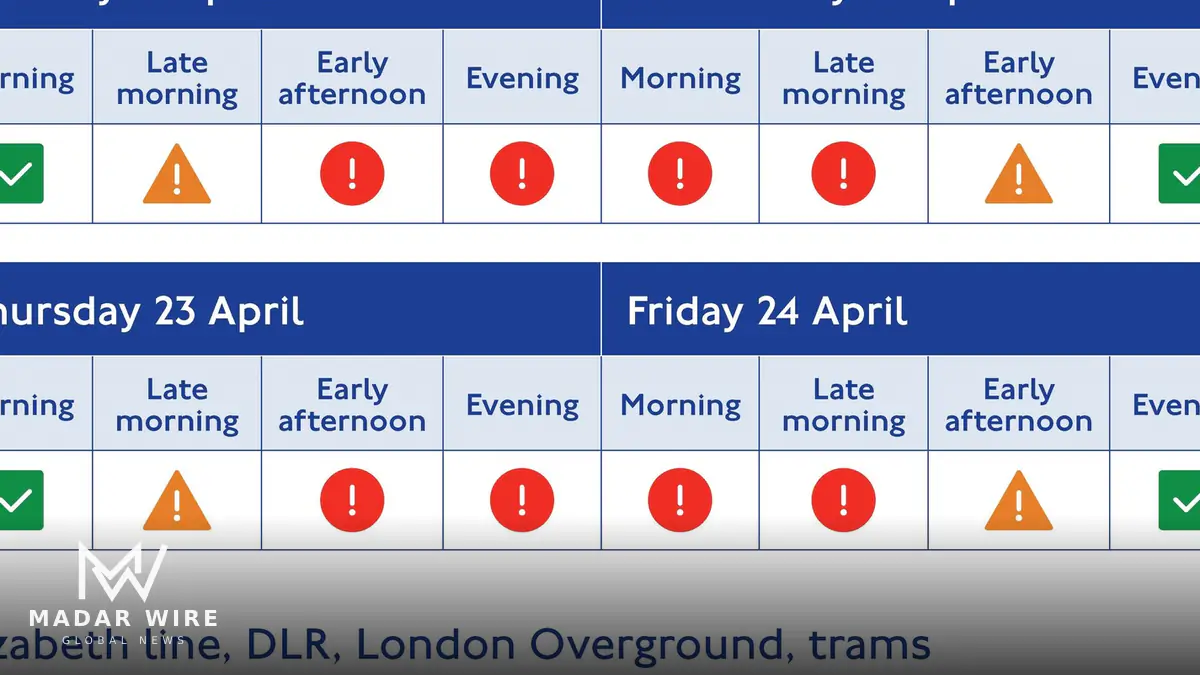
The latest strike by the RMT union on London’s Tube network has concluded, with services gradually returning to normal following 24 hours of disruption. The walkout, which began early on Monday, saw no trains running on key lines, leaving thousands of commuters stranded or forced to use alternative transport.
According to BBC News - UK, the strike was the latest in a series of industrial actions by the union, which represents thousands of Tube workers. The RMT has stated that the walkout was part of ongoing negotiations over pay and working conditions, with members demanding a fairer deal amid rising costs and inflation.
Further action planned for winter
The union has already announced that further strikes are scheduled for December, January, and February. In a statement, the RMT warned that workers would continue to take industrial action unless their demands—including a significant pay rise—are met. The dates have not yet been finalised but are expected to coincide with peak commuting periods, potentially causing further disruption to London’s already strained transport network.
Transport for London (TfL) has reiterated its position that the union’s demands are not sustainable, citing financial constraints and the need to maintain service reliability for millions of daily users. The authority has urged passengers to plan ahead and use real-time updates to navigate any future disruptions.
Impact on commuters and economy
The strike has highlighted the ongoing tensions between transport workers and employers, with commuters bearing the brunt of the fallout. Businesses in central London, particularly those reliant on office workers, reported lower footfall during the walkout. The RMT has argued that the strikes are necessary to secure fair wages, while critics warn that prolonged industrial action could further destabilise an already fragile recovery for the UK economy.
BBC News - UK reported that negotiations between the RMT and TfL remain at an impasse, with no immediate signs of a resolution. The union has indicated that it will continue to push for a binding arbitration process if direct talks fail to yield progress.