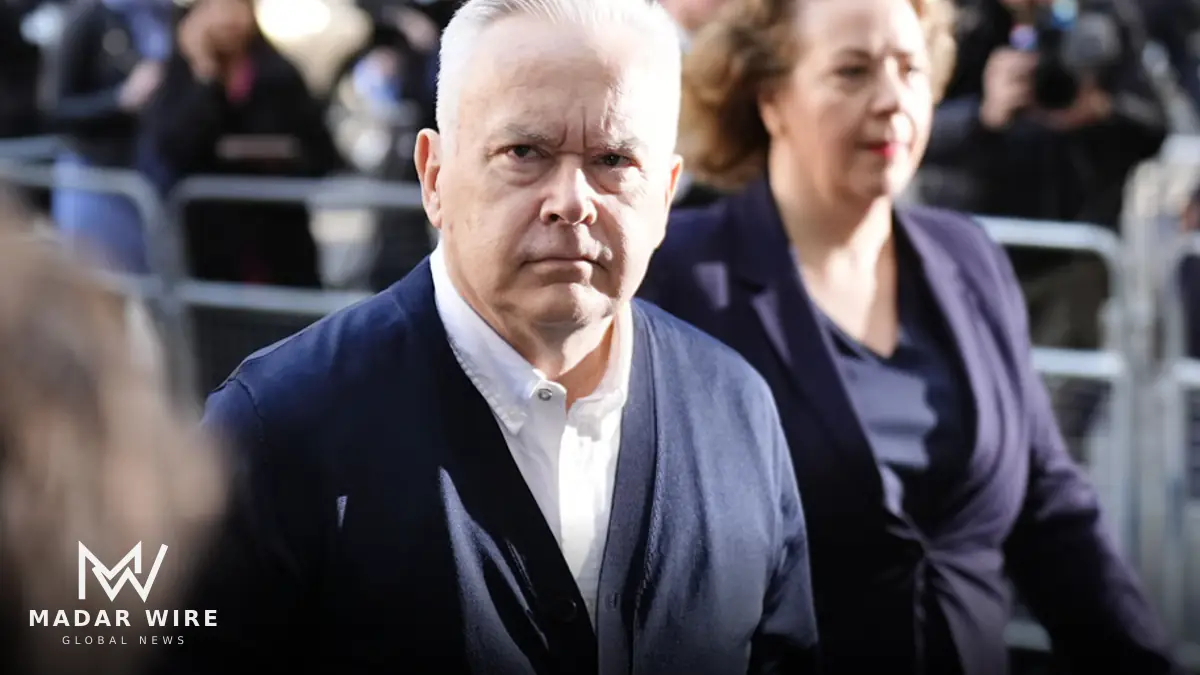
Channel 4 has defended its decision to air a documentary featuring Huw Edwards, asserting that the programme serves to hold the former newsreader to account. The broadcaster’s statement comes in response to growing criticism from observers who argue the content risks causing further distress to victims of misconduct.
The film, which examines allegations surrounding Edwards, has sparked a debate within the UK media landscape regarding the balance between accountability and the welfare of those affected. According to the Evening Standard, the channel maintains that the documentary is a necessary step in addressing serious historical claims.
Broadcaster Response to Criticism
Channel 4 officials rejected suggestions that the programme was exploitative, emphasizing their commitment to journalistic integrity. The network stated that the investigation was conducted with rigorous editorial standards to ensure fairness and accuracy. They argued that silencing such narratives would do a disservice to the public’s right to know the truth about prominent figures in broadcasting.
The broadcaster acknowledged the sensitivity of the subject matter but insisted that the potential for trauma does not outweigh the importance of accountability. This stance aligns with broader industry discussions on how to handle high-profile misconduct cases without compromising the safety or privacy of complainants.
Concerns Over Victim Welfare
Critics, including some media watchdogs and advocacy groups, have voiced concern that the documentary’s release could re-traumatize individuals who have already endured difficult legal and personal processes. The Evening Standard reported that these voices argue the timing and presentation of the material may inadvertently prioritize narrative impact over the well-being of the people involved.
Despite these objections, Channel 4 stands by its editorial judgment, noting that the documentary provides a platform for voices that have previously been marginalized. The network has indicated that it will continue to monitor feedback and ensure that support resources are available for those potentially affected by the broadcast.
The controversy highlights ongoing tensions in UK journalism between the public interest in accountability and the ethical obligations to protect vulnerable individuals. As the documentary airs, attention will turn to how the public and regulatory bodies respond to the balance struck by the broadcaster.