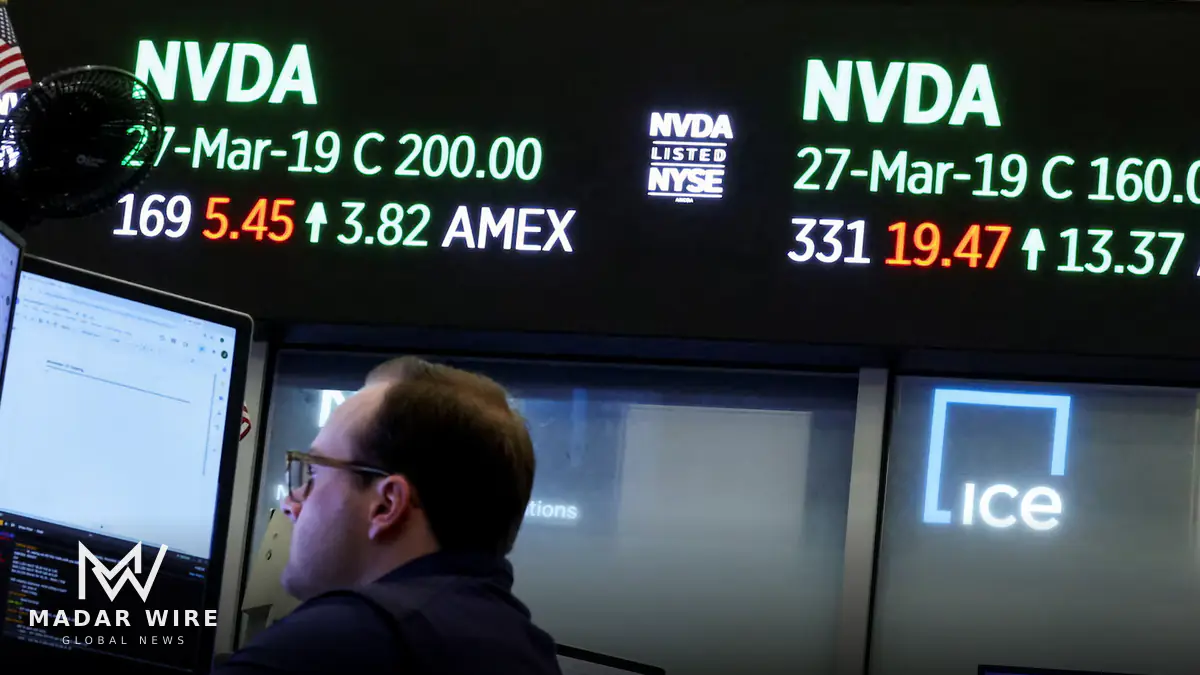
Asian stock markets have experienced intense volatility following the shock return of Jensen Huang as chief executive of Nvidia, according to a recent report by BBC News - Business. Traders across major regional exchanges scrambled to reassess valuations as the semiconductor giant's leadership dynamics shifted abruptly, sending ripples through supply chains and technology portfolios.
For months, major financial institutions and technology firms across Asia have poured billions of dollars into Nvidia hardware, positioning themselves at the forefront of the global artificial intelligence boom. This heavy market reliance meant that any strategic disruption at the top of the American chipmaker immediately translated into sharp financial swings across Tokyo, Seoul, and Taipei.
Market Exposure and Investor Anxiety
According to market analysts cited by BBC News - Business, the sudden leadership transition exposed the vulnerability of regional portfolios heavily weighted toward AI infrastructure. Hardware manufacturers, memory suppliers, and cloud computing providers that depend directly on Nvidia's growth trajectory saw their share prices fluctuate wildly during the trading sessions.
Investors are now questioning the long-term stability of these high-stakes capital allocations. While demand for generative artificial intelligence tools remains robust, the concentration of financial risk in a single US hardware titan has prompted institutional funds to reevaluate their exposure levels across Asian technology sectors.
Broader Implications for the Tech Sector
The market turbulence highlights a broader structural reality for Asian economies striving to dominate the next generation of computing. Despite massive domestic investments in semiconductor fabrication and research, regional markets remain acutely sensitive to corporate governance decisions made in Silicon Valley.
Financial regulators and market makers continue to monitor trading volumes closely as institutional investors digest the strategic implications of Huang's return. Analysts suggest that the episode will likely force a more diversified approach to artificial intelligence investments across the region in the coming quarters.