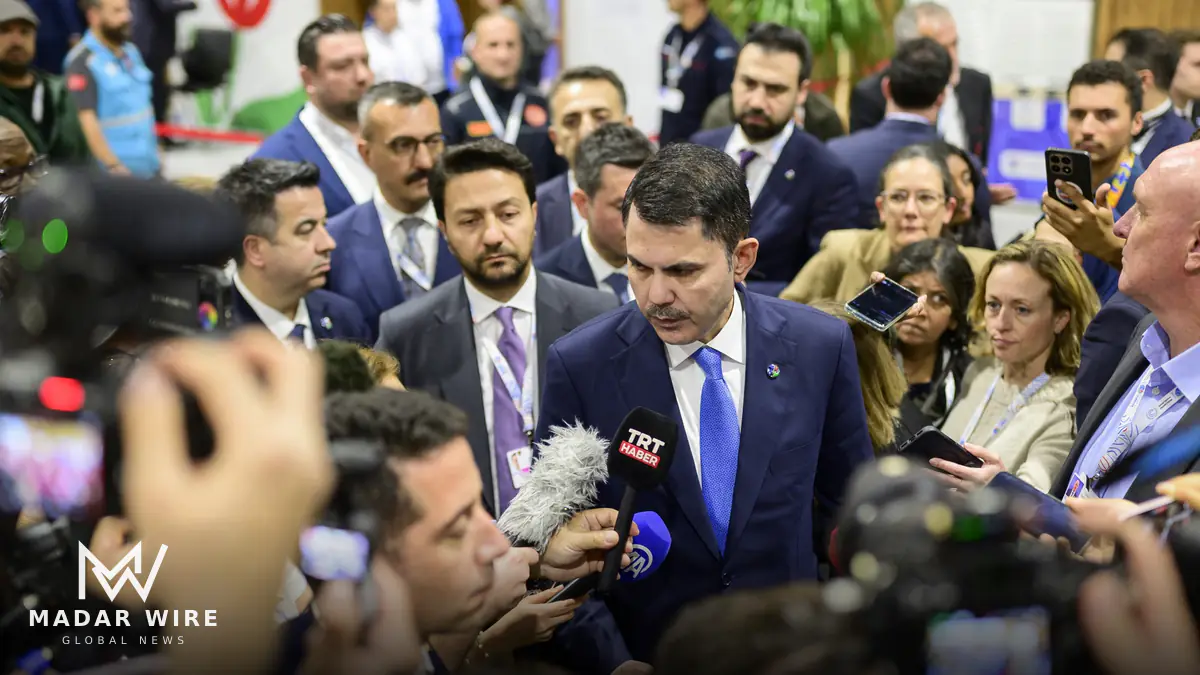
Delegates are beginning to depart Turkey without a clear, binding deal from the latest COP31 climate talks. The proposed final agreement has drawn immediate scrutiny for its complete omission of the phrase "fossil fuels". This silence has left advocates, media observers, and frontline nations questioning the summit's efficacy.
Missing key phrase sparks criticism
According to reporting from The Guardian - Australia, the absence of explicit language regarding fossil fuels is a significant failure. Climate campaigners argue that without direct mention of the primary drivers of global warming, the agreement lacks teeth. Frontline nations, which face the most severe impacts of climate change, have expressed deep concern over the vagueness of the final text.
The omission means the document does not commit signatories to specific timelines or mechanisms for phasing out coal, oil, and gas. Instead, it relies on broader, less defined commitments that critics say allow for continued business as usual. This approach contrasts sharply with the urgent demands for rapid decarbonisation voiced by Pacific Island states and other vulnerable regions.
Questions over future progress
Media representatives present at the talks have highlighted the disconnect between political rhetoric and the final legal text. The Guardian - Australia notes that while leaders spoke of ambition, the resulting document fails to translate that ambition into actionable policy. This gap raises doubts about whether future summits will yield more substantive outcomes.
As delegations pack up and prepare to leave, the mood is one of disappointment rather than triumph. Climate scientists warn that every year of delay in addressing fossil fuel emissions increases the risk of crossing critical tipping points. The lack of a clear deal at COP31 underscores the ongoing difficulty in aligning political will with the scientific urgency of the climate crisis.
For now, the focus shifts to how national governments will interpret the ambiguous language in the agreement. Without strong international oversight or binding targets, the onus falls on individual nations to implement their own transition plans. The coming months will reveal whether this diplomatic silence leads to stalled progress or a renewed push for stricter domestic regulations.