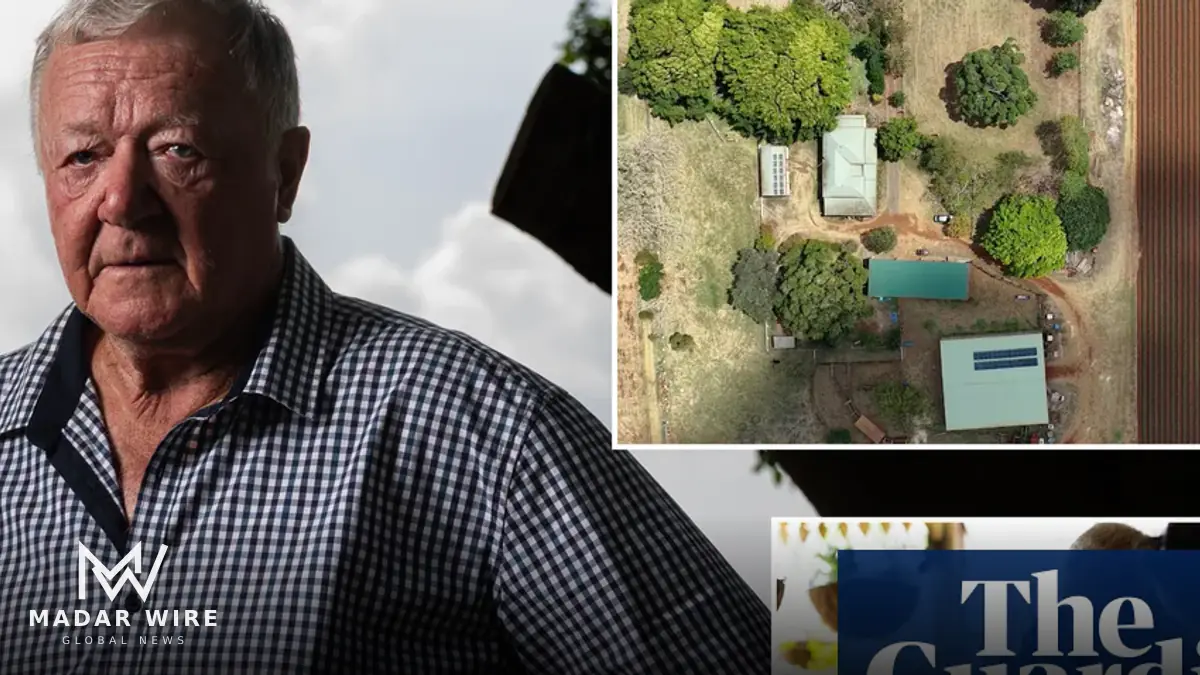
Unmarked graves just outside Bundaberg, Queensland, are shedding light on a suppressed chapter of Australian history involving coerced Pacific Islander labour. The site, located in Sunnyside, was part of a sugar plantation owned for over a century by the family of former federal Labor MP Brian Courtice.
According to reporting by The Guardian Australia, at least 62,000 Pacific Islanders were brought to Queensland between the 1860s and the 1910s. Many were tricked, coerced, or kidnapped to provide cheap labour for the sugar industry, a practice that operated in parallel with the global movement towards emancipation.
Coerced Labour in the Sugar Industry
The timeline of this forced migration coincides with the decade the emancipation proclamation was signed in the United States, yet Queensland continued to import Pacific Islander workers under the guise of 'contract labour'. These workers, often referred to as Kanaka, faced harsh conditions, low wages, and restricted movement on the plantations.
The Guardian Australia notes that the existence of these unmarked graves serves as a physical testament to the suffering and exploitation endured by thousands of men and women. For decades, the full extent of this forced labour system has been minimised or ignored in mainstream historical narratives, leaving the descendants of these workers without proper recognition or closure.
Challenging National Narratives
The revelation underscores the complexity of Australia's colonial legacy. While the nation often promotes itself as a land of opportunity and fair play, the history of the Pacific Islander labour trade reveals a darker reality rooted in economic exploitation and racial hierarchy.
Historians and community leaders argue that acknowledging this history is essential for reconciliation and truth-telling. The unmarked graves at Sunnyside represent not just individual lives, but a systemic failure to uphold human rights during a critical period of Queensland's development. As public interest in Indigenous and Pacific Islander histories grows, these sites are becoming focal points for calls to formally recognise and commemorate the victims of this era.
The story, as detailed by The Guardian Australia, prompts a broader conversation about how Australia remembers its past. It challenges the notion that slavery and forced labour are exclusively foreign concepts, placing them firmly within the Australian context. Recognising these unmarked graves is a step towards a more honest and inclusive understanding of the nation's foundations.