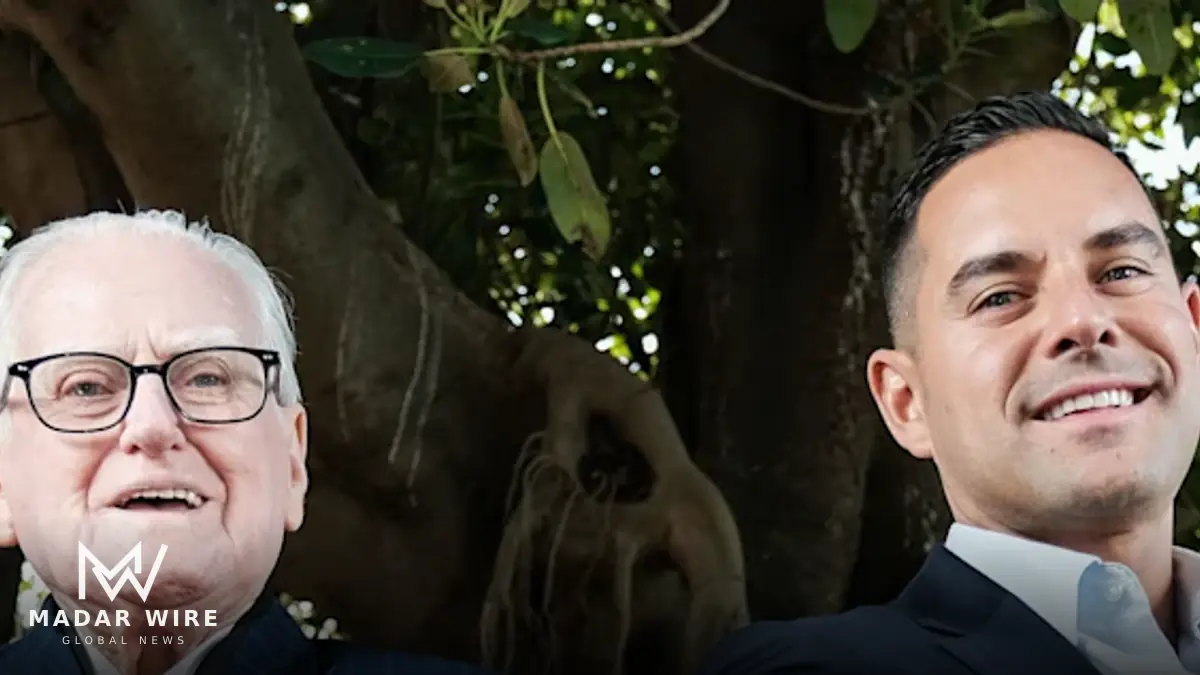
NSW MP Alex Greenwich has formally withdrawn his support for a state funeral for former Premier Fred Nile, citing the intense and sustained backlash from the LGBTQ+ community. The reversal marks a notable shift in the political landscape of New South Wales, where the legacy of the state’s longest-serving premier remains a deeply contested issue.
According to reporting by The Guardian - Australia, Greenwich initially indicated openness to the honour but faced immediate and fierce criticism from advocacy groups and community leaders. They argued that a state-funded funeral for a politician who was a vocal opponent of same-sex marriage legislation was inappropriate and disrespectful to the community.
Community pressure drives political reversal
The decision underscores the significant influence of social advocacy groups in shaping political narratives in modern Australia. Greenwich acknowledged the difficulty of the situation, noting the strong feelings on all sides of the debate. The former Premier served for 24 years, leaving a complex legacy that spans infrastructure development and social policy.
Supporters of Nile view him as a dedicated public servant who shaped the state’s growth, while critics point to his long-standing opposition to equality laws. This tension has made any state-level recognition of his death a highly sensitive political matter. Greenwich’s withdrawal aligns him with a growing number of politicians who are cautious about state resources being used for figures with controversial social records.
Broader implications for NSW politics
This incident highlights the increasing scrutiny placed on political figures’ past actions in the current social climate. The Guardian - Australia notes that the backlash was swift and organized, demonstrating the mobilization capacity of LGBTQ+ rights groups in the state. For the NSW government, the decision avoids a potential public relations crisis that could have dominated the news cycle.
Political analysts suggest that this move may influence how other states approach funerals for former leaders with mixed legacies. It sets a precedent that state honours must align with contemporary community values, not just historical service. Greenwich’s statement was brief but firm, indicating that the social cost of the honour outweighed the political benefit of showing respect to a former colleague.
The controversy is expected to fade from the headlines, but it serves as a reminder of the ongoing cultural shifts in Australian politics. As the nation continues to navigate issues of identity and equality, the actions of political leaders are being measured against new standards of accountability and inclusivity.