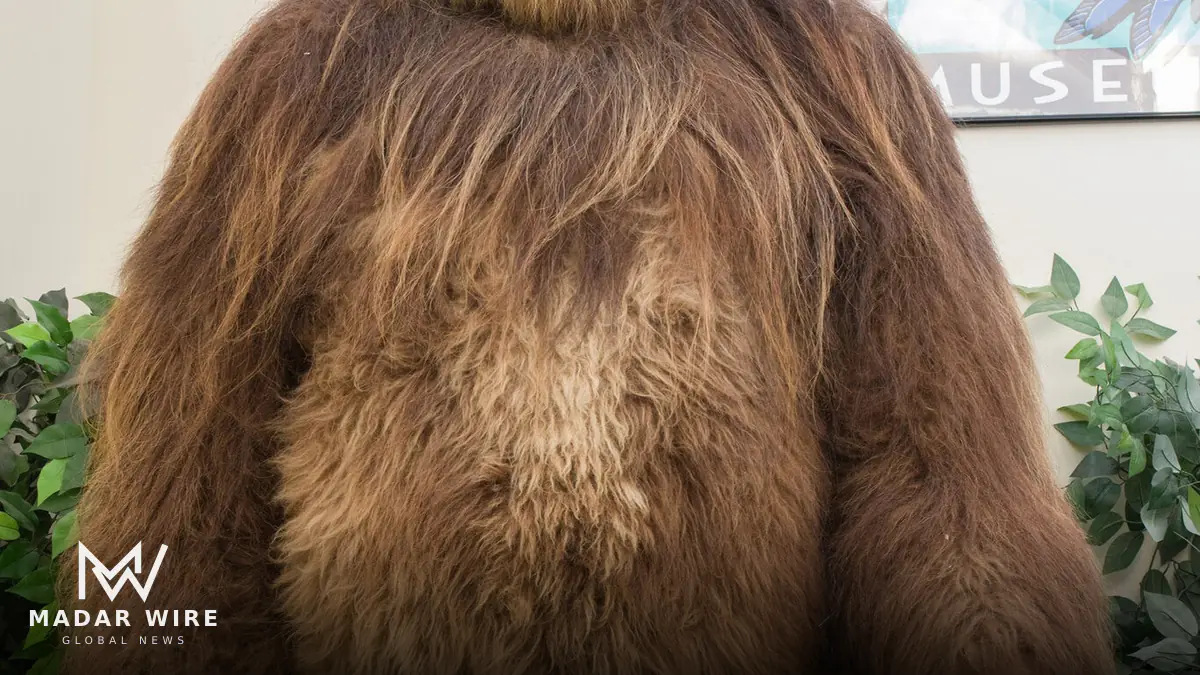
The U.S. Forest Service announced Tuesday that it has declassified a collection of internal documents that reference the legendary creature known as Bigfoot.
What the Files Reveal
According to the newly released files, which span from the 1970s to the early 2000s, rangers logged more than 200 sightings, dozens of footprint casts and several audio recordings of unexplained howls. The reports were filed under the agency’s “Unidentified Wildlife” category and were previously marked “confidential.”
Most entries note the location of the encounter, time of day and a brief description of the creature’s size, gait and behavior. One 1992 memo from a ranger in the Pacific Northwest describes a “large, bipedal hominid, approximately eight feet tall, covered in dark hair, moving swiftly through dense underbrush.”
Reactions from Experts
Scientists and cryptozoology researchers have long debated the credibility of such reports. Dr. Emily Hart, a wildlife biologist at the University of Washington, said the data “adds a layer of official documentation that could be useful for systematic study, but it does not constitute proof.”
Folklorist Dr. Miguel Alvarez of the Smithsonian Institution noted that the Forest Service’s records mirror many oral traditions collected from Indigenous peoples in the same regions. “The agency’s files capture a modern continuation of stories that have existed for centuries,” he said.
The agency’s spokesperson, Karen Liu, told the New York Times that the decision to release the documents was driven by “public interest and transparency.” Liu added that the Forest Service does not endorse the existence of any undiscovered primate species.
NYT - US News reported that the release came after a Freedom of Information Act request filed by a group of Bigfoot enthusiasts. The agency complied without redacting the majority of the material, citing minimal national security concerns.
While the declassified records are unlikely to settle the debate, they provide a rare glimpse into how a federal agency has historically handled reports that fall outside conventional wildlife monitoring.