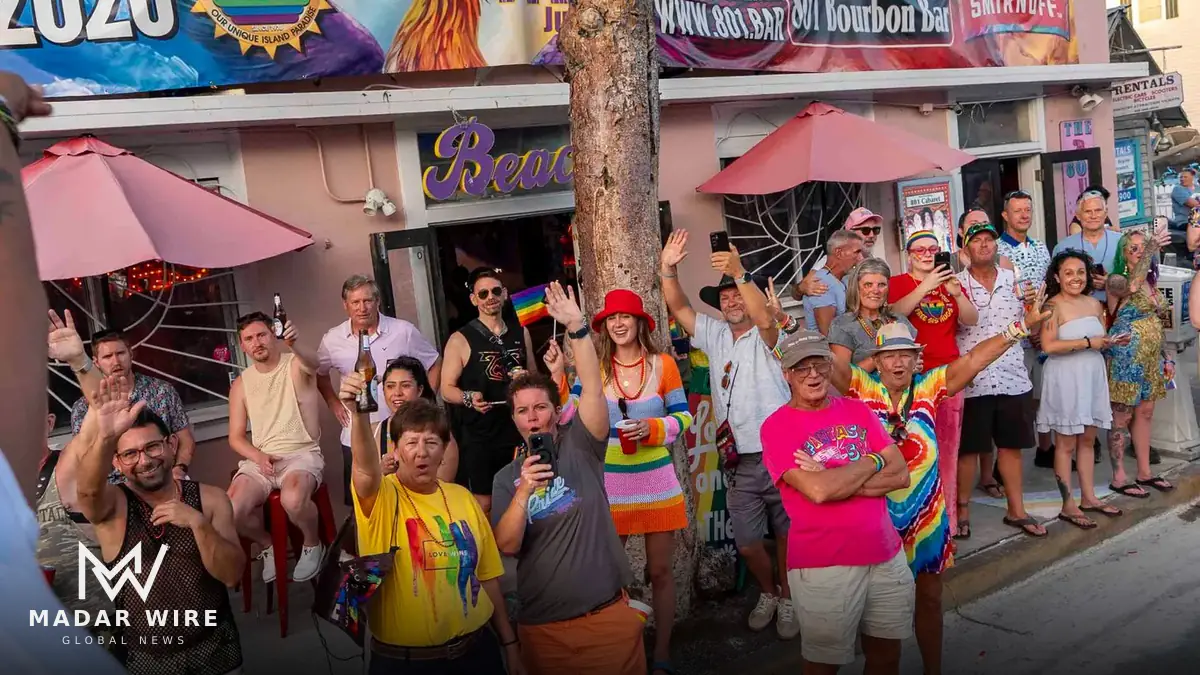
Local governments across Florida are rapidly dismantling long-standing partnerships with community organizations and educational institutions. This preemptive move comes as officials grapple with the ambiguous language of the state’s new anti-DEI legislation. The law prohibits public entities from promoting diversity, equity, and inclusion activities, but fails to clearly define what constitutes such promotion.
According to reporting by The New York Times, several cities and counties have already withdrawn funding from groups and events they have supported for years. These cuts affect a wide range of initiatives, from university scholarships to local cultural festivals. The primary driver is a fear of personal liability for elected officials and legal exposure for municipal budgets.
Legal Ambiguity Drives Preemptive Cuts
The core issue lies in the broad scope of the statute. While the law explicitly targets the promotion of DEI, it does not provide a precise legal standard for distinguishing between protected speech and prohibited advocacy. This lack of clarity has left local administrators in a defensive posture. Many are choosing to cut ties entirely rather than risk a lawsuit or state audit.
Community leaders and legal scholars have criticized the resulting chilling effect on public discourse. They argue that the vague definitions force local governments to err on the side of caution, effectively silencing conversations about social equity. The New York Times notes that this trend is not limited to large metropolitan areas but is spreading to smaller counties with limited legal resources.
Impact on Community Relations
The financial impact extends beyond direct funding. Organizations that rely on municipal grants for operations are facing budget shortfalls. Some have begun seeking private donations to fill the gap, while others are scaling back their programs. This shift marks a significant departure from previous years when local governments actively collaborated with these groups to address community needs.
As the new law takes effect, the uncertainty remains the most significant barrier to normal operations. Until the Florida Supreme Court or federal courts provide a clearer interpretation, local officials are likely to maintain their restrictive stance. The result is a fragmented approach to community engagement, with each jurisdiction interpreting the law differently based on its risk tolerance.
For now, the message from city halls is clear: when in doubt, cut the funding. This strategy prioritizes legal safety over established community partnerships, a trade-off that will likely be scrutinized in the coming months as the legal landscape evolves.