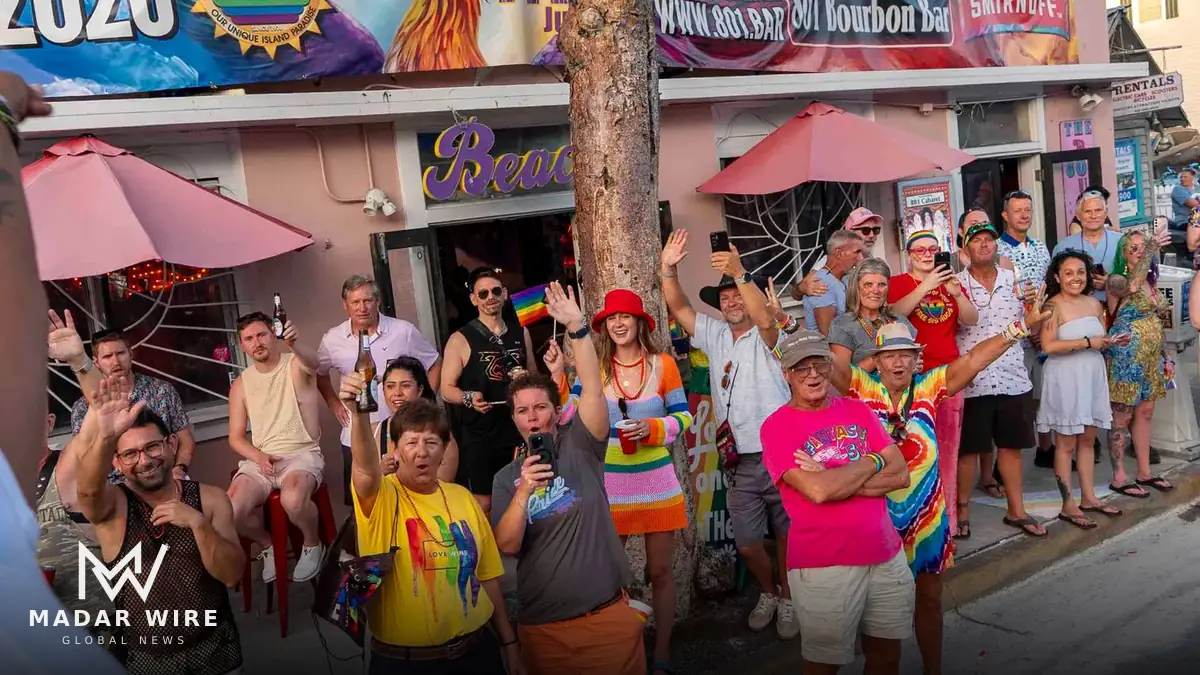
Florida local governments are rapidly withdrawing financial support from community organizations and cultural events to comply with new state legislation restricting diversity, equity, and inclusion (DEI) activities. According to a report by NYT - US News, this shift has already resulted in the cancellation of long-standing traditions, including a St. Patrick’s Day parade, as officials scramble to align budgets with the new legal framework.
Compliance Drives Funding Cuts
The core of the controversy lies in the interpretation of state laws that bar public entities from promoting DEI concepts. Cities and counties, fearing legal repercussions, are preemptively cutting ties with nonprofits and event organizers that have historically received municipal grants. NYT - US News notes that these entities are pulling funding from groups they have supported for years, prioritizing legal safety over community continuity.
Officials argue that the new regulations create a chilling effect on public spending. To avoid accusations of promoting DEI, local administrators are reviewing every line item in their budgets. This rigorous scrutiny has led to abrupt terminations of agreements with cultural and social organizations that do not explicitly distance themselves from DEI language in their mission statements or marketing materials.
Impact on Community Events
The immediate consequence of these budgetary shifts is the disruption of local cultural life. The cancellation of the St. Patrick’s Day parade serves as a prominent example of how these policies are being enforced on the ground. Organizers, who relied on city funds for logistics and security, were forced to call off the event when the financial backing was rescinded.
Community leaders express concern that this trend extends beyond single events. Long-term support for arts, education, and social services is also under threat as municipalities adopt a conservative approach to grant-making. The report highlights that this is not an isolated incident but part of a broader pattern across Florida, where local governments are redefining acceptable public expenditures in light of the new legal landscape.
As the legal implications of the anti-DEI laws continue to unfold, the financial stability of numerous community groups remains uncertain. The situation underscores the tension between state-level legislative mandates and the traditional role of local governments in supporting diverse cultural and social initiatives. For now, the priority for Florida officials appears to be strict adherence to the new statutes, even at the cost of established community traditions.