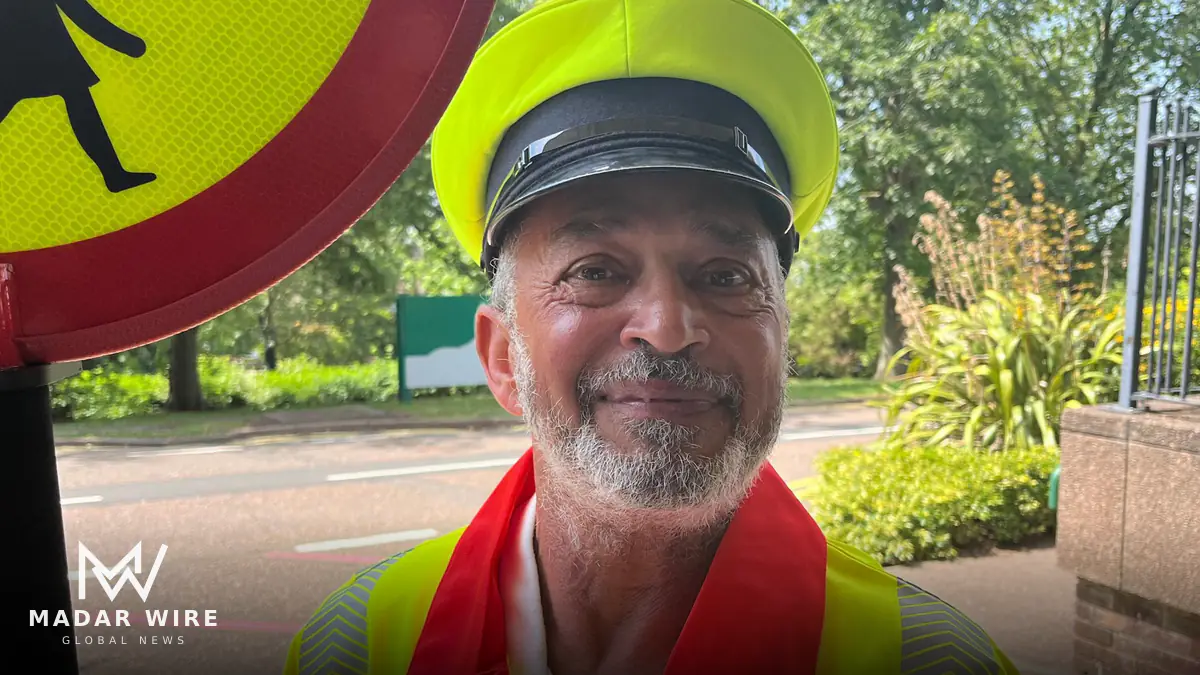
The familiar sight of school crossing patrols, long a staple of the British morning commute, is under threat as local authorities struggle to fill vacancies. These figures, instantly recognisable by their high-visibility uniforms and circular signs, are becoming increasingly scarce as town halls grapple with ongoing financial pressures.
According to reporting by The Guardian, the recruitment crisis is being exacerbated by broader staff cuts within local government. As councils look to balance their books, the non-statutory nature of crossing patrols makes them a frequent target for efficiency savings, leaving many communities concerned about the safety of children navigating busy roads.
Budgetary pressures and service cuts
The role of the school crossing patrol has historically been viewed as a vital public safety measure. However, with many local authorities facing significant funding gaps, the ability to maintain these positions has diminished. Some councils have already begun to phase out the service, while others are actively seeking alternatives to human-led crossings.
The shift away from traditional patrols is not merely a matter of recruitment difficulty. It represents a fundamental change in how local government prioritises road safety. Where once a human presence was considered essential, some areas are now considering the installation of pelican crossings or simply removing the service, placing the onus of safety on parents and children.
The impact on road safety
Advocates for the service argue that the human element provides a level of vigilance and traffic management that automated systems cannot replicate. Beyond the practical function of stopping traffic, these patrols often serve as a reassuring presence for younger pupils. The potential loss of these roles marks a significant departure from established school-run norms.
As the recruitment struggle continues, the future of the lollipop person remains precarious. With no immediate signs of a reversal in local government funding trends, the decline of this long-standing institution appears set to continue, forcing a national conversation about how the UK protects its pupils on their way to the classroom.