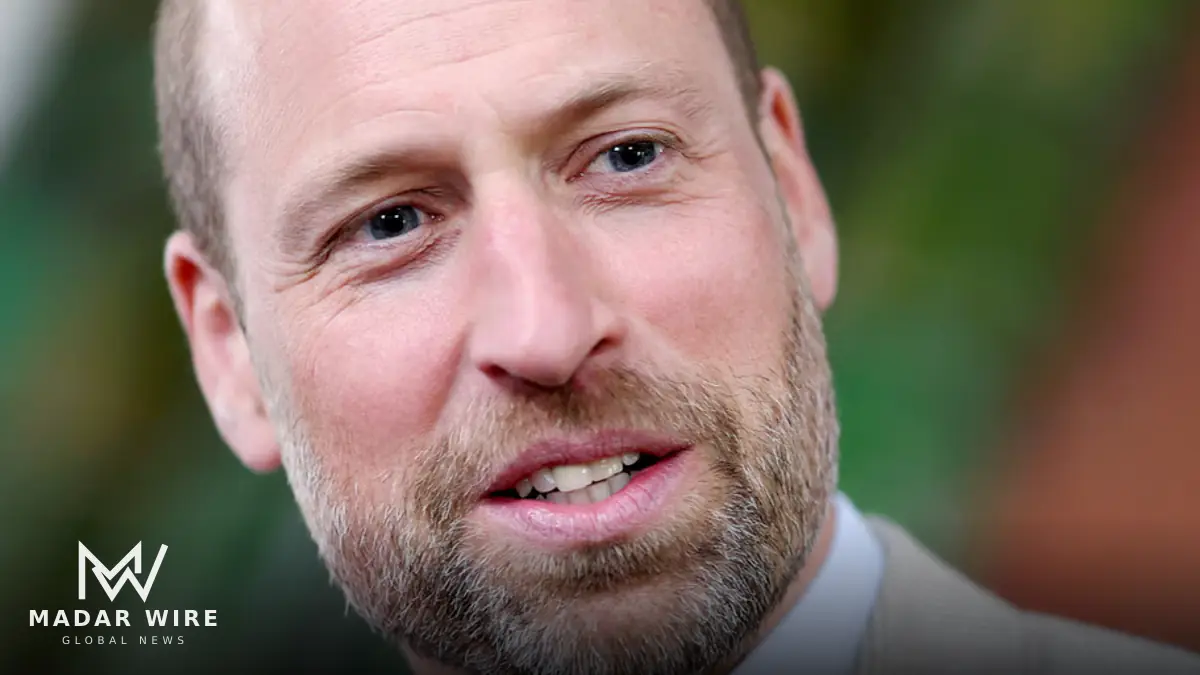
Prince William, the Prince of Wales, has written a foreword for the new book accompanying the viral "Reasons To Stay" letters project, a mental‑health campaign launched by activist Ben West. The endorsement was announced in a statement reported by the Evening Standard - London & UK.
"Reasons To Stay" invites people to share brief letters explaining why they choose to keep living, creating a public space for honest dialogue about mental health. Since its launch, the initiative has amassed thousands of submissions and sparked widespread discussion on social media.
Royal endorsement highlights mental‑health importance
In his foreword, Prince William praised the project for "creating a safe platform for open conversations that can break the silence surrounding mental ill‑health". He added that the letters "offer hope, solidarity and a reminder that no one is alone in their struggle".
The Prince’s involvement follows a series of royal engagements on mental‑health issues, including the establishment of the Heads Together campaign and his own public discussions about the pressures of royal life.
Campaign founder and public reaction
Ben West, who founded "Reasons To Stay" after his own experiences with depression, said the Prince’s support validates the work of volunteers and contributors across the country. "Having His Royal Highness lend his voice to our cause amplifies the message that mental health matters to everyone," West told the Evening Standard.
Public reaction has been largely positive, with many praising the royal endorsement as a sign that mental‑health stigma is finally being addressed at the highest levels. Mental‑health charities expect a surge in participation and donations following the announcement.
Analysts note that the Prince’s foreword could help the project secure additional funding and expand its outreach programmes in schools and workplaces. The book, set for release later this month, will feature a selection of letters alongside commentary from mental‑health experts.
Overall, the collaboration underscores a growing willingness among public figures to use their platforms for social causes, particularly those affecting young people and vulnerable groups.