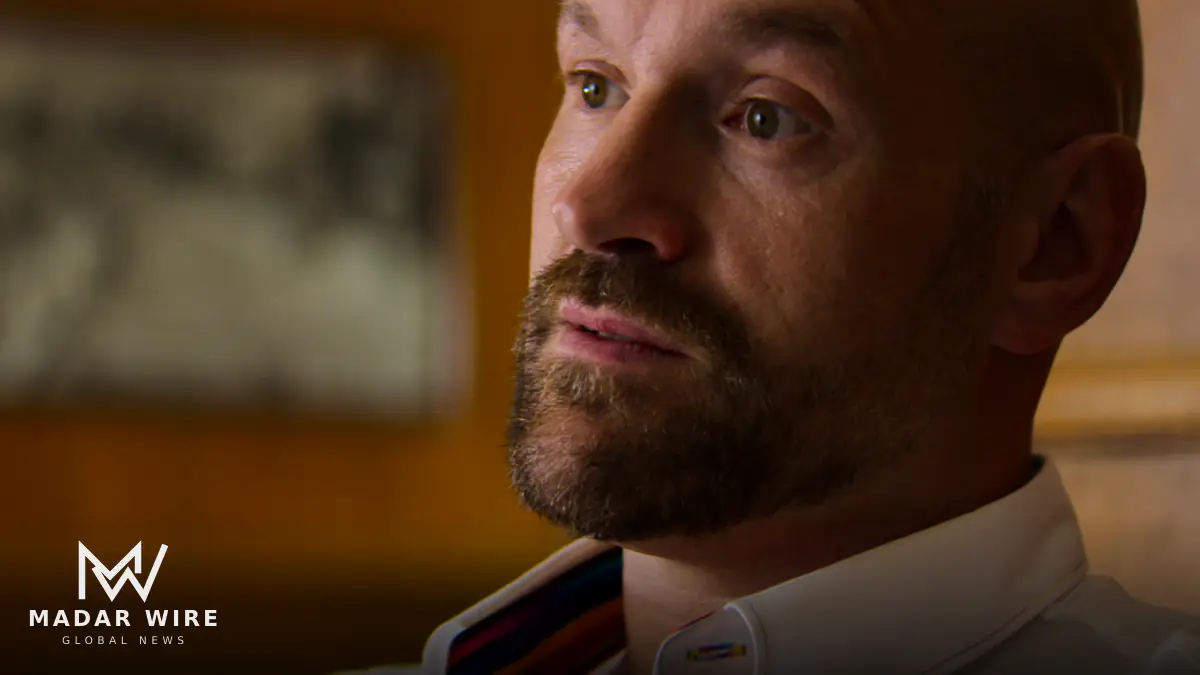
Boxing heavyweight Tyson Fury has revealed he was diagnosed with schizophrenia, providing a rare and candid insight into his mental health struggles. The former undisputed heavyweight champion detailed the experience in a new interview, marking a significant step forward in the public conversation around mental well-being in elite sport.
Fury described a severe breakdown in 2015, during which he reported hearing voices in his head. According to reports from BBC News - UK, this period was a critical turning point in his career and personal life, leading to a formal medical assessment that resulted in the diagnosis.
The 2015 Breakdown
The boxer explained that the symptoms manifested as auditory hallucinations, a core feature of schizophrenia. He noted that the experience was disorienting and frightening, occurring at a time when he was navigating the immense pressures of the top tier of professional boxing. Fury stated that seeking help during this period was essential to his recovery and subsequent return to the ring.
Alongside the schizophrenia diagnosis, Fury confirmed he has also been diagnosed with bipolar disorder. He explained that managing both conditions requires ongoing medical support and a disciplined approach to his daily routine. The dual diagnosis has influenced his training methods and his perspective on the mental demands of the sport.
Impact on Mental Health Awareness
Fury’s disclosure is expected to resonate with many individuals who may be hesitant to seek help due to stigma. By sharing his personal history, the 36-year-old aims to encourage others to prioritise their mental health without fear of judgement. He emphasised that acknowledging one’s struggles is a sign of strength rather than weakness.
Experts in sports psychology have welcomed the openness, noting that high-profile athletes often face unique psychological pressures. The visibility of such diagnoses can help normalise discussions about mental health within athletic communities and beyond. Fury’s story underscores the complex interplay between physical performance and mental stability.
The former champion has since returned to the spotlight, continuing to engage with fans and media while managing his health. His willingness to speak openly about these conditions sets a precedent for future generations of athletes. As the boxing world reacts, the focus remains on the broader implications for mental health advocacy in the UK and internationally.