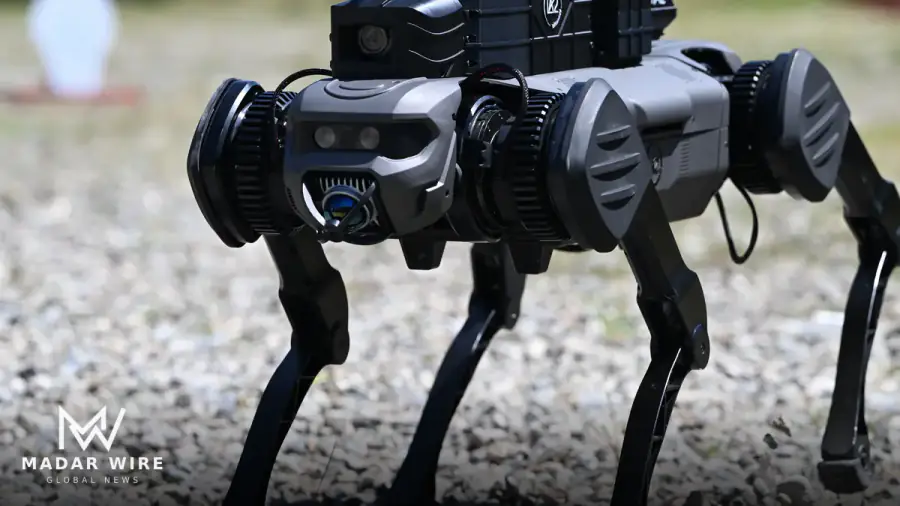
Geneva, Switzerland — International efforts to regulate lethal autonomous weapons systems have stalled, with UN-backed negotiations concluding Saturday without a binding treaty. According to NPR National Headlines, delegates from various nations agreed to extend the discussion period by two years but failed to reach a firm commitment to rein in the development of AI-powered killer robots.
The breakdown in talks highlights the deep divisions among global powers regarding the use of autonomous systems in warfare. While some nations advocated for a preemptive ban on fully autonomous weapons, others argued that existing international humanitarian law is sufficient to govern their use. The result is a continued regulatory vacuum that critics warn allows for unchecked technological advancement in military applications.
Negotiations Stalled on Key Definitions
The core of the disagreement centers on the definition of "meaningful human control." Proponents of stricter regulations argue that humans must retain final authority over the decision to use force. Opponents, including several major military powers, contend that current legal frameworks already prohibit the use of weapons that cannot be controlled by a human operator. This semantic and legal impasse prevented the adoption of a new convention or protocol.
Experts in international security note that the two-year extension provides a narrow window for diplomacy. Without a clear timeline for a binding agreement, the development of autonomous drones and ground robots may outpace the legal mechanisms designed to restrict them. The lack of consensus leaves member states to rely on voluntary national policies, which vary widely in strictness and enforcement.
Implications for Future Arms Control
The outcome of the Geneva talks signals a broader challenge in modern arms control. As artificial intelligence becomes more integrated into military hardware, the speed of technological innovation often exceeds the pace of diplomatic negotiation. The failure to secure a firm commitment now may complicate future efforts to establish norms for autonomous warfare.
As the next round of discussions begins, pressure is expected to mount from civil society organizations and smaller nations who view the absence of a ban as a dangerous precedent. The coming two years will be critical in determining whether the international community can establish enforceable rules before the technology becomes widespread on battlefields worldwide.