NATO leaders are preparing to convene in urgent session following reports that Russian missiles struck near Polish territory. The alliance seeks to coordinate a unified response to the escalating security threat in Eastern Europe. This development marks a significant shift in the geopolitical landscape, prompting immediate diplomatic consultations among member states.
AI Disrupts Economic Norms
Simultaneously, the impact of artificial intelligence on the broader economy has become a central focus for policymakers and industry leaders. According to NPR National Headlines, AI adoption is rapidly reshaping labor markets, forcing businesses to adapt to new operational realities. The technology is not merely an incremental upgrade but a structural force altering productivity and employment patterns. Analysts note that while efficiency gains are substantial, the transition period presents challenges for workers in affected sectors.
Companies across the United States are integrating AI tools at an accelerated pace, leading to a reevaluation of workforce planning and skill requirements. This economic shift is occurring against a backdrop of broader macroeconomic uncertainty, making the role of AI in stabilizing or disrupting growth a critical area of study. The interplay between technological advancement and economic stability remains a key concern for federal regulators.
COP31 Concludes Without Agreement
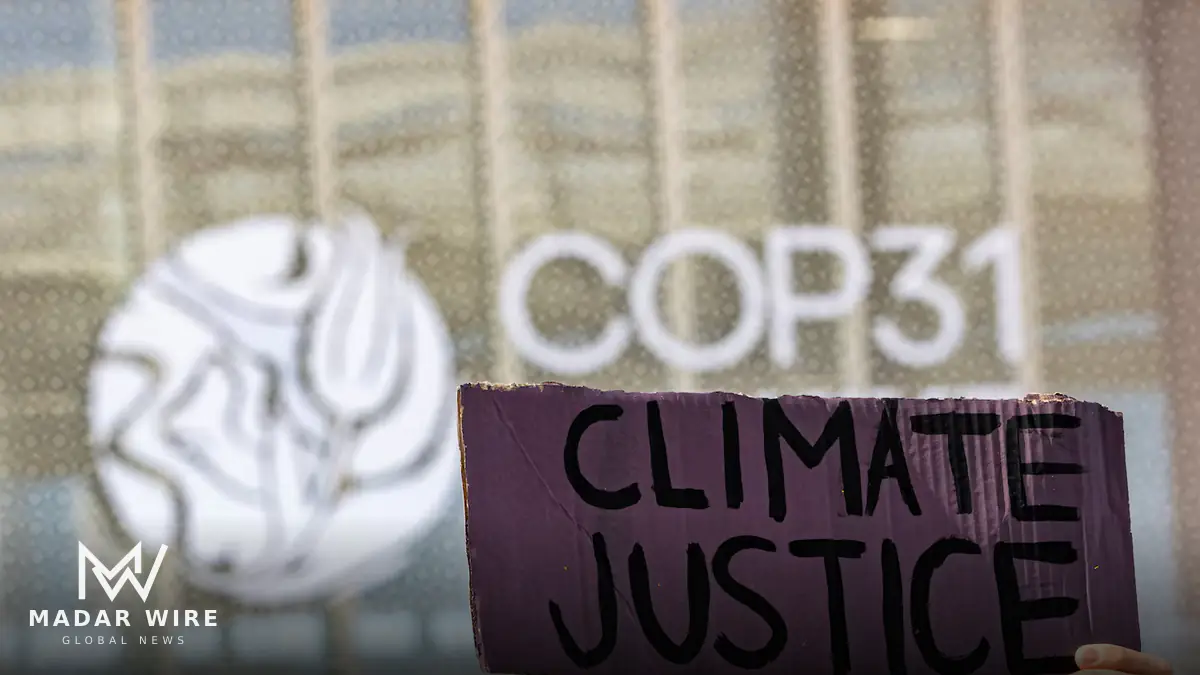
In a separate development, international climate negotiations at COP31 have come to a close without a final deal. Negotiators failed to reach a consensus on key provisions, leaving significant gaps in the global framework for climate action. The outcome reflects the deep divisions among nations regarding financial commitments and emission reduction targets. Environmental groups have expressed disappointment, arguing that the lack of a binding agreement undermines long-term climate goals.
The conclusion of COP31 highlights the ongoing difficulty in achieving unified international action on environmental issues. As nations return home, the focus will shift to domestic policy adjustments and bilateral agreements to address the gaps left by the failed multilateral talks. The absence of a definitive deal may influence future diplomatic strategies and investment decisions in the green energy sector.
These three distinct yet interconnected stories illustrate the complex global environment facing policymakers today. From security threats in Europe to technological disruption in the US and stalled climate diplomacy, the challenges are multifaceted. Leaders must navigate these issues with precision to maintain stability and progress.